



 May 11, 2026
 View:551
A mig torch's duty cycle shows how long it can work before it needs to cool down. This limit protects both the welder and the equipment. If someone uses a torch past its rated duty cycle, the torch can overheat. Overheating may trigger thermal overload protection or cause hidden damage to parts inside the torch. Each time the torch gets too hot, its life becomes shorter and safety risks increase. Golden Globe offers high-duty-cycle torches for those who need reliable tools for tough jobs.
Key Takeaways
A MIG torch's duty cycle shows how long it can weld before it must cool down. Always look at this rating before you use the torch.
If you go over the duty cycle, the torch can get too hot. This can break the torch and make it more dangerous to use.
Knowing how amperage and duty cycle work together helps welders pick the right settings for their work.
Doing regular checks, like looking for heat damage, keeps the torch working well.
Taking breaks during long welding jobs lets the torch cool off and stops it from getting too hot.
Picking a torch with a high-duty-cycle is good for big or long welding jobs. This makes the work faster and better.
Wearing the right personal protective equipment (PPE) is very important for safety when using a MIG torch.
Watching things like temperature and humidity in your work area helps the torch work its best.
Mig Torch Duty Cycle Basics
What Is Duty Cycle?
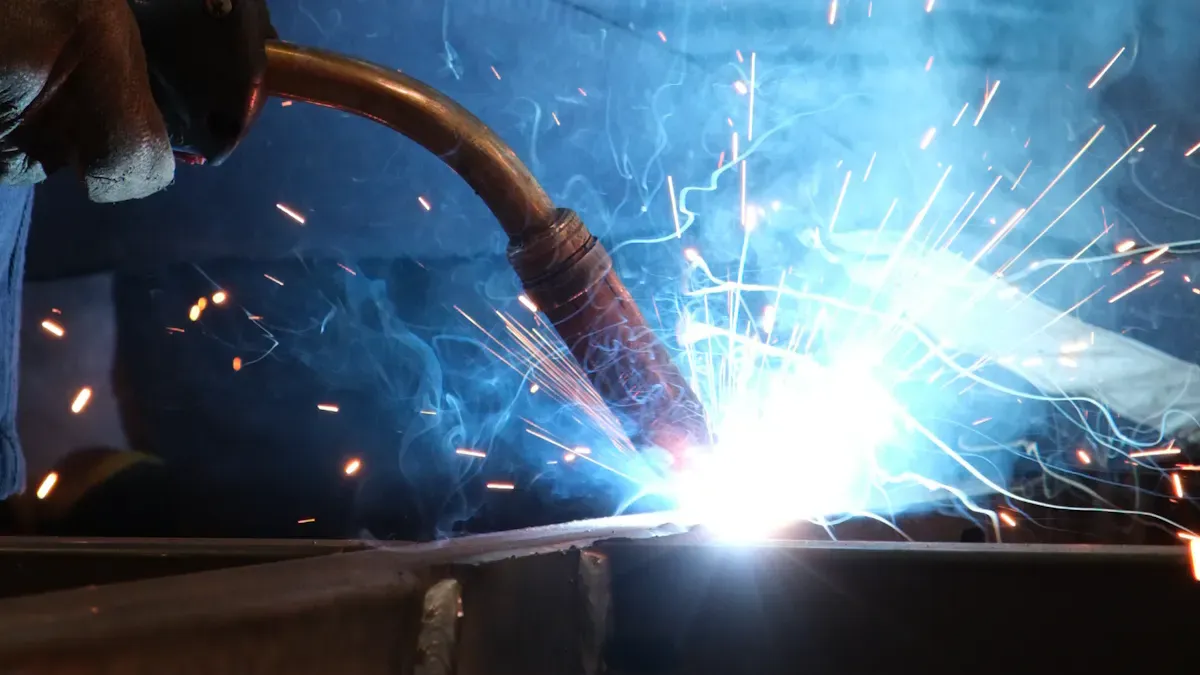
A duty cycle tells you how long a mig torch can work before it needs a break. The welding industry uses a 10-minute time frame to measure this. The duty cycle is shown as a percent. For example, if the duty cycle is 60%, the torch can weld for 6 minutes. Then it must cool down for 4 minutes. This keeps the torch from getting too hot and helps it last longer.
Tip: Always look at the duty cycle rating before you start welding. This helps make sure the torch does not get too hot and lasts longer.
A duty cycle tells how long a welder can work before it needs to cool.
It is shown as a percent using a 10-minute time frame.
A 60% duty cycle means 6 minutes of welding and 4 minutes of cooling.
How Duty Cycle Is Measured
Manufacturers test mig torches in special settings. They use a set amperage and see how long the torch can weld in 10 minutes. If a torch has a 60% duty cycle at 200 amps, it can weld for 6 minutes at that power before it needs to cool. The duty cycle changes if you use more or less amperage. Higher amperage makes the torch heat up faster, so the duty cycle goes down.
Here is an easy table to show how duty cycle works:
| Duty Cycle (%) | Welding Time (min) | Cooling Time (min) |
|---|---|---|
| 100 | 10 | 0 |
| 60 | 6 | 4 |
| 40 | 4 | 6 |
Typical Ratings for Mig Torches
Mig torch duty cycles are different for each model and brand. Many regular torches have a 60% duty cycle. For example, the Black Wolf MB36kd MIG torch has a 60% duty cycle. Some torches have higher ratings for harder jobs. Golden Globe MIG/MAG Welding Torches have duty cycles from 60% up to 100%. These high-duty-cycle torches are good for tough and long welding jobs. Welders can pick a torch based on how much work they have and what materials they need to weld.
Note: High-duty-cycle torches help workers spend less time waiting and get more done in busy shops.
Why Duty Cycle Matters for Safety
A mig torch's duty cycle is more than just a number. It plays a key role in keeping welders safe and making sure equipment lasts. When welders understand the duty cycle, they can avoid many problems that come from overheating.
Overheating Risks
When a welder pushes a mig torch past its duty cycle, the torch gets too hot. This heat can cause several problems. Overheating does not just affect the tool. It can also put people at risk.
Torch Damage
High temperatures can break down the parts inside a mig torch. The insulation around wires may melt. The contact tip can wear out faster. Sometimes, the handle or trigger can even deform. If the torch gets damaged, it may stop working during a job. This can lead to delays and extra repair costs.
Tip: Check the torch for signs of heat damage after long welding sessions. Look for melted parts, discoloration, or a burning smell.
Injury Hazards
Overheating does not only harm the torch. It can also hurt the person using it. A torch that gets too hot may cause burns if touched. Sometimes, hot parts can spark or even catch fire. Damaged wires or insulation can lead to electric shocks. Welders must always let the torch cool down as the duty cycle suggests. This simple step keeps everyone safer.
Burns from hot torch parts
Electric shock from damaged wires
Fire risk from melted insulation
Impact on Welding Quality
A torch that overheats cannot make good welds. When the torch gets too hot, the arc may become unstable. The wire feed can slow down or stop. This leads to poor welds with weak spots or holes. Overheated torches may also cause spatter, which makes the work messy and harder to clean. Welders who respect the duty cycle get better results and spend less time fixing mistakes.
Note: Good welds start with safe equipment. Following the duty cycle helps every welder do their best work.
By understanding why the duty cycle matters, welders can protect themselves, their tools, and the quality of their work.
Need Expert Advice on MIG Torch Selection?
Our welding specialists are ready to help you choose the perfect torch for your application. Get professional guidance on duty cycles, cooling systems, and safety features.
Request Free ConsultationInterpreting Mig Torch Duty Cycle
Reading Manufacturer Labels
Manufacturers put the duty cycle on the torch label or in the manual. This number is usually a percent, like 60% at 200 amps. The label tells welders how long to use the torch before cooling it. If the label says "60% at 200A," welders can weld for 6 minutes at 200 amps. Then, they must let the torch cool for 4 minutes. Welders should always look at the label before starting work. This helps stop overheating and keeps the torch working well.
Tip: If you see more than one duty cycle on the label, pick the one that matches the amperage you plan to use.
Calculating for Your Application
Welders can figure out the duty cycle they need with a simple formula:
Duty Cycle (%) = (Welding Time / (Welding Time + Cooling Time)) x 100%
For example, if a welder works for 5 minutes and cools for 5 minutes, the duty cycle is 50%. This math helps welders know how long they can weld without hurting the torch.
Some things change the duty cycle:
Material thickness: Thicker metal needs more heat, so the duty cycle goes down.
Welding current: More current makes more heat and lowers the duty cycle.
Ambient temperature: Hotter places make the duty cycle shorter.
Welders should pick a torch with a rating that fits the job. If they need to weld thick steel or for a long time, a higher duty cycle is better.
Adjusting for Amperage
Amperage settings change the duty cycle a lot. When welders turn up the amperage, the torch gets hot faster. This means the duty cycle gets lower, and the torch needs more breaks. Machines using high currents need shorter welding times to stay safe. If the amperage is lower, welders can work longer without stopping.
Higher amperage means more heat and a lower duty cycle
Lower amperage means less heat and a higher duty cycle
The way amperage and duty cycle work together follows a square-law pattern. When amperage goes up, the duty cycle drops even faster. Welders should change their settings for each job and always check the torch label for help. According to the American Welding Society, proper understanding of amperage ratings is critical for safe welding operations.
Note: Picking the right amperage and duty cycle keeps welders safe and helps the mig torch last longer.
Factors Affecting Duty Cycle
Amperage Settings
Amperage settings are very important for how long a mig torch can work before it needs to cool. If welders turn up the amperage, the torch makes more heat. More heat means the torch gets hot faster. This makes the duty cycle go down. For example, a torch with a 60% duty cycle at 200 amps might only have a 40% duty cycle at 250 amps. Welders need to change how long they weld based on the amperage. Lower amperage lets them weld longer. Higher amperage means they need more breaks. Picking the right amperage keeps the torch safe and helps make good welds.
Tip: Always look at the torch label for duty cycle ratings at different amperages. This stops overheating and helps the equipment last longer.
Ambient Temperature
Ambient temperature changes the duty cycle in many ways. If the workplace is hot, the torch cannot cool down as fast. Humidity also matters. In hot and wet places, the torch cannot work as long. For example, a torch with a 100% duty cycle in normal weather might only have a 60% duty cycle in very hot and humid air. Welders who work in factories or outside in summer should watch for these changes. Keeping the area cool and dry helps the torch work better.
| Environment | Duty Cycle (%) |
|---|---|
| Normal (70°F, dry) | 100 |
| Hot (95°F, humid) | 60 |
Note: Welders should check the temperature and humidity where they work. Changing work times or using fans can help keep the duty cycle safe.
Torch Design
Torch design decides how well a mig torch handles heat and how long it can run. Air-cooled torches usually have a duty cycle up to 60%. These are good for short or light jobs. Water-cooled torches can have a 100% duty cycle. This means they can work all the time without getting too hot. These are best for big or hard jobs. Welders should pick a torch that fits their work. Using a torch with a low duty cycle for hard jobs can make it overheat and break.
Air-cooled torches: Up to 60% duty cycle, best for lighter jobs.
Water-cooled torches: Up to 100% duty cycle, good for welding all the time.
Picking the right torch design helps welders stay safe and get more done. Golden Globe has both air-cooled and water-cooled torches. Welders can choose what works best for their job and workplace.
Welding Duration
Welding duration plays a major role in how a MIG torch handles heat. When a welder works for a long time without stopping, the torch builds up heat quickly. The longer the welding session, the higher the chance the torch will reach its duty cycle limit. If the torch gets too hot, it can stop working or even break. Welders must pay attention to how long they use the torch in each session.
Many welders plan their work in short bursts. They weld for a few minutes, then pause to let the torch cool. This method helps keep the torch safe and working well. Taking breaks between welding sessions allows the torch to release heat. The cooling period is just as important as the welding time. Without breaks, the torch can overheat and cause problems.
Tip: Welders should set a timer or watch the clock during welding. This helps them avoid going over the duty cycle.
Welders who ignore the duty cycle and weld for too long risk damaging their equipment. Overheated torches may show signs like melted parts, discoloration, or a burning smell. These problems can lead to costly repairs or replacements. Safety also becomes a concern. Hot torches can cause burns or start fires. Welders must always follow the duty cycle to protect themselves and their tools.
The following points highlight how welding duration affects duty cycle:
Longer welding sessions increase the risk of overheating the torch.
Taking breaks between sessions allows the torch to cool down properly.
Operating within the specified duty cycle prevents equipment damage and keeps welders safe.
Welders can use a simple plan to manage welding duration. They check the torch's duty cycle rating before starting. If the torch has a 60% duty cycle, they weld for 6 minutes and cool for 4 minutes. This routine keeps the torch from overheating. Welders who work in hot environments may need longer cooling times.
Some torches, like Golden Globe MIG/MAG Welding Torches, offer high-duty-cycle ratings. These torches can handle longer welding sessions and shorter cooling periods. Welders who need to work for extended periods should choose a torch with a higher duty cycle.
Welding duration affects not only the torch but also the quality of the weld. Overheated torches can cause weak welds, spatter, and other defects. By managing welding time and cooling periods, welders produce better results and keep their equipment in good shape.
Note: Welders who respect the duty cycle and manage welding duration enjoy safer work and longer-lasting tools.
Exceeding the Duty Cycle
Immediate Effects
When a welder pushes a MIG torch past its duty cycle, problems can happen right away. The torch heats up quickly. The handle and cable may become hot to the touch. This extra heat can make the torch uncomfortable or even unsafe to hold. Sometimes, the torch will stop working in the middle of a job. The wire feed may slow down or stop. The arc can become unstable, making it hard to control the weld.
Tip: If the torch feels too hot or the wire feed acts strange, stop welding and let the torch cool down.
Overheating can also trigger built-in safety features. Some torches have thermal overload protection. This feature shuts off the torch to prevent damage. Welders should always pay attention to these signs. Ignoring them can lead to bigger problems.
Long-Term Consequences
Using a MIG torch beyond its duty cycle does not just cause short-term trouble. Over time, the torch can break down. The heat wears out the parts inside the torch. The insulation around wires may melt. The contact tip can lose its shape or color. These changes make the torch less reliable.
The torch may overheat more often.
The parts inside can wear out faster.
The torch may stop working during important jobs.
Safety hazards can increase, such as burns or electric shocks.
A torch that overheats again and again will not last as long. Welders may need to replace parts or buy a new torch sooner than expected. This can cost more money and time. Keeping the torch within its duty cycle helps it last longer and keeps welders safe.
Warning Signs
Welders can spot warning signs when a torch is being pushed too hard. The handle and cable may heat up faster than normal. This can lead to more downtime because the torch needs longer breaks. The duty cycle drops quickly when the welder uses higher amperage than the torch rating allows.
Some signs show up on the torch itself. A contact tip that turns blue or purple means the torch has gotten too hot. This color change can also mean poor connections or that the welder is using too much power. Welders should check the torch often for these signs.
The torch feels very hot during use.
The cable gets warm or soft.
The contact tip changes color to blue or purple.
The torch stops working or the arc becomes unstable.
Note: Watching for these signs helps welders avoid damage and stay safe. If any of these signs appear, stop welding and let the torch cool before starting again.
Staying Within Safe Limits
Monitoring Usage
Welders need to watch how long they use their mig torch. They can use a timer or a watch to check welding and cooling times. This helps them not go over the duty cycle. Some welders write down their welding times in a notebook. Some machines show how long the torch has been used. Welders should look for signs of overheating, like a hot handle or a burning smell. If they see these signs, they should stop and let the torch cool.
Tip: Taking short breaks during long jobs helps the torch last longer and keeps welders safe.
Cooling and Maintenance
Cooling and taking care of the mig torch helps it last longer. Welders should follow a plan to keep their tools working well. The table below shows what to do and how often:
| Maintenance Routine | Description |
|---|---|
| Cooling System Check | For air-cooled models: Clean air intakes and filters. For water-cooled: Check coolant and leaks. |
| Weekly Maintenance | Clean drive rolls and check for groove wear. |
| Monthly Maintenance | Clean drive assembly, inspect bearings, and check liner condition. |
| Contact Tip Analysis | Track tip lifespan and use the correct size. |
| Gas Quality Verification | Check gas mixture and flow rate. |
| Liner Inspection | Clean and inspect liner for smooth wire feeding. |
Doing these steps helps stop overheating and keeps the torch working. Clean tools work better and last longer.
Choosing the Right Mig Torch
Picking the right torch is important for big or long welding jobs. Welders should look for these things:
A high duty cycle rating for longer welding without overheating.
Amperage ratings that fit the job, especially for work needing 300-400 amps.
Strong build to handle lots of use.
Golden Globe MIG/MAG Welding Torches have high load cycles, with some up to 100%. These are good for busy shops and hard jobs. Welders can pick air-cooled or water-cooled models for their needs.
Comfort and how long the torch lasts are important too. Handles that fit well help welders work longer without getting tired. Light torches are easier to hold. Good materials, like strong metals and copper tips, help the torch last many hours. The TWI (The Welding Institute) provides comprehensive guidance on torch selection and maintenance best practices.
Note: Welders who choose the right torch and follow good habits stay safer and get better results.
Mig Torch Safety Best Practices
Personal Protective Equipment
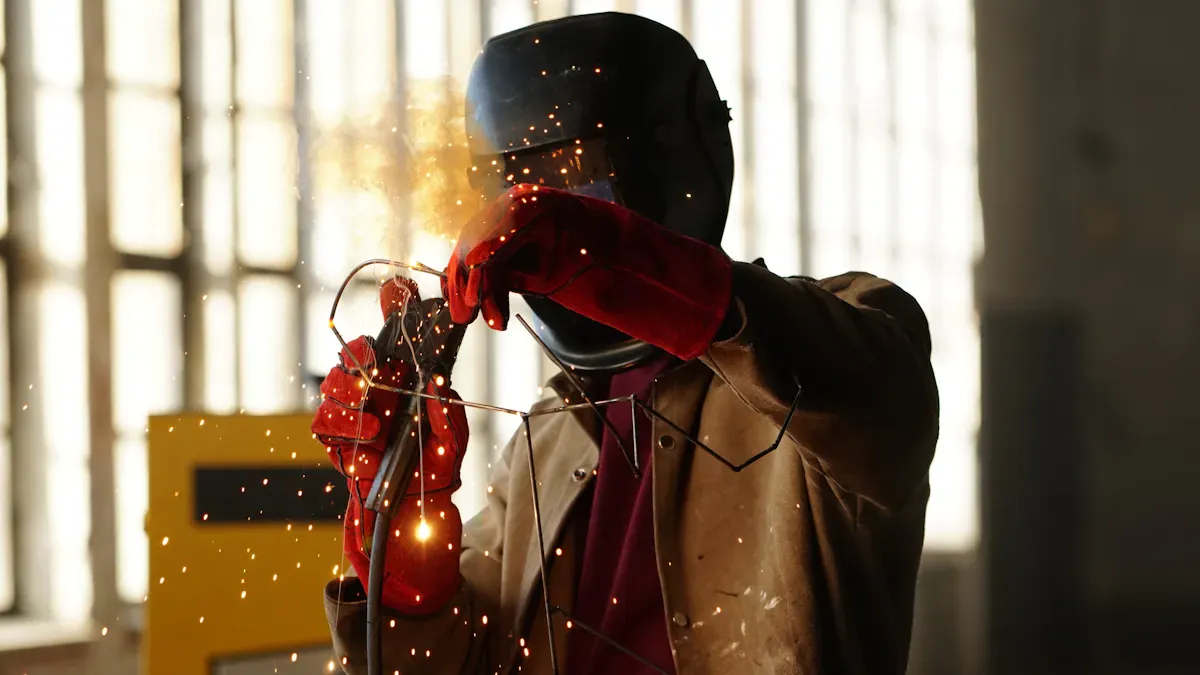
Welders must wear the right gear to stay safe when using a mig torch. Each piece of equipment protects against different hazards in the welding area. The following items are essential for every welder:
Welding helmets shield the eyes and face from the bright arc and flying sparks.
Welding gloves, made from heat-resistant materials, protect hands from burns and cuts.
Welding jackets and aprons cover the torso and arms, blocking sparks and heat. Jackets also guard against UV and IR radiation from the arc.
Safety glasses or goggles add extra protection against debris and sparks.
Respirators filter out harmful fumes and particles, making the air safer to breathe.
Welding boots with steel toes protect feet from heavy objects and hot metal.
Jackets made from cowhide leather last a long time but can feel heavy. Lightweight options are available for comfort. Flame-retardant materials work well but need regular checks because their protection fades over time. The Occupational Safety and Health Administration (OSHA) provides detailed guidelines on welding safety equipment requirements.
Tip: Welders should inspect their protective gear before each use. Damaged equipment cannot provide full protection.
Safe Operation
Safe habits help prevent accidents in the welding area. Welders should always check their mig torch before starting work. They need to look for loose connections, worn cables, or signs of overheating. Keeping the work area clean reduces the risk of fire. Flammable materials should stay away from the welding zone.
Welders must follow the torch's duty cycle. They should use timers or machine displays to track welding and cooling times. Taking breaks lets the torch cool and keeps it working well. Welders should never touch hot parts with bare hands. If the torch feels too hot or acts strange, they should stop and let it cool.
Good ventilation is important. Welders should open windows or use fans to move fumes away. They must always wear the right PPE, even for short jobs.
Note: Regular checks and safe habits protect both the welder and the equipment.
When to Replace Your Torch
A mig torch works best when its parts are in good shape. Each part has a different lifespan. Replacing parts on time keeps the torch safe and reliable. The table below shows when to change common components:
| Component | Replacement Interval |
|---|---|
| Contact tip | every 8–20 hours |
| Nozzle | every 40–80 hours |
| Liner | every 1–3 months |
Welders should watch for signs like poor wire feeding, unstable arcs, or visible damage. If problems continue after replacing parts, it may be time for a new torch. Regular maintenance and timely replacement prevent accidents and keep weld quality high.
Tip: Keeping a maintenance log helps welders remember when to replace each part.
Sourcing Reliable Torches
Choosing a reliable MIG torch helps welders stay safe and finish jobs with good results. Many factors affect how well a torch works in real-world settings. Welders should look for certain features and ask the right questions before buying.
Key qualities of a reliable MIG torch include:
Strong construction that can handle daily use and tough conditions.
Precise electrical connections for steady power and smooth welding.
Effective gas delivery systems to protect the weld from air.
Ergonomic design that fits the hand and reduces fatigue during long jobs.
Warranty support from the supplier for peace of mind.
Welders should also think about their own needs. They can ask:
What amperage do most projects need?
How many hours will the torch run each day?
Will the work happen in a shop or out in the field?
What types and thicknesses of metal will be welded?
Is it important for the torch to be easy to move?
What is the budget for buying and maintaining the torch?
Regular maintenance keeps a torch working well. Welders should:
Clean contact tips to prevent poor wire feeding.
Inspect cables for wear or damage.
Check gas flow rates to make sure the weld stays clean.
Replace worn parts before they cause problems.
Lubricate moving parts to keep everything running smoothly.
Common issues like erratic wire feeding, poor gas coverage, arc instability, and overheating can happen if the torch is not maintained or if the wrong torch is chosen. Welders who notice these problems should check their equipment and fix issues right away.
Tip: Reliable suppliers offer support, clear instructions, and replacement parts. Golden Globe provides high-performance MIG/MAG Welding Torches that meet strict quality standards. Their torches suit many welding needs and help users work safely and efficiently.
Welders who choose the right torch and care for it can expect better results, fewer breakdowns, and a safer work environment.
Conclusion
Welders who follow the duty cycle stay safer and keep their tools in good shape. High-duty-cycle MIG torches, like the ones from Golden Globe, have strong cooling systems. These systems help stop the torch from getting too hot. This makes welding jobs safer and means less time waiting for the torch to cool.
Key takeaways:
Going over the duty cycle can make the torch too hot and break it.
Using the right duty cycle helps welds stay strong and keeps the torch working well.
Taking care of your torch and picking the right one makes work safer and faster.
Many workers pick Golden Globe MIG torches because they last a long time and work well for big jobs.
FAQ
What does "duty cycle" mean for a MIG torch?
The duty cycle shows how long a MIG torch can weld in a 10-minute period before it needs to cool. A 60% duty cycle means the torch can weld for 6 minutes, then must cool for 4 minutes.
Why is it important to follow the duty cycle?
Following the duty cycle keeps the torch from overheating. This protects the welder and the equipment. Overheating can cause burns, damage parts, or make the torch stop working.
How can someone tell if a torch is overheating?
A torch that feels very hot, smells like something is burning, or has a discolored tip may be overheating. The wire feed may slow down or stop. These signs mean the torch needs to cool.
What should a welder do if the torch overheats?
The welder should stop welding right away. Let the torch cool completely before starting again. Check for any damage before using the torch. If problems continue, replace worn parts.
Can a welder use a torch with a higher duty cycle for long jobs?
Yes. Torches with higher duty cycles work better for long or heavy jobs. They can weld longer without stopping. This helps finish work faster and keeps the torch safe.
How often should a welder check and maintain the torch?
A welder should check the torch before each use. Clean and inspect parts weekly. Replace worn tips, nozzles, or liners as needed. Regular care helps the torch last longer and work better.
What types of jobs need a high-duty-cycle MIG torch?
High-duty-cycle torches are best for production lines, automotive work, shipbuilding, and repair jobs that need long or continuous welding. These torches handle tough tasks without overheating.
Does ambient temperature affect the duty cycle?
Yes. Hot or humid air makes the torch heat up faster. The duty cycle gets shorter in these conditions. Welders should take longer breaks or use cooling systems when working in hot places.
References
Miller Electric. "Duty Cycle: What It Is and Why It's Important." Retrieved from https://www.millerwelds.com/
American Welding Society (AWS). "Welding Standards and Safety Guidelines." Retrieved from https://www.aws.org/
The Welding Institute (TWI). "Welding Equipment Selection and Maintenance." Retrieved from https://www.twi-global.com/
Occupational Safety and Health Administration (OSHA). "Welding, Cutting, and Brazing Safety Standards." Retrieved from https://www.osha.gov/welding-cutting-brazing
Internal content from Black Wolf Welding. Retrieved from https://www.blackwolfwelding.com/