



 Apr 14, 2026
 View:390
Choosing the best WP17 TIG torch starts with knowing how its features fit your welding jobs. Welders see that the right TIG torch makes work safer and better. For example, picking a torch with good cooling and the right duty cycle stops overheating and damage. Look at this table to learn how each feature changes safety and performance:
| Feature | Impact on Safety and Performance |
|---|---|
| Air-cooled vs. Water-cooled | Air-cooled torches can get too hot during tough jobs, which is not safe. |
| Duty Cycle | Going over the duty cycle can break the equipment and cause danger. |
| Ergonomics | Bad ergonomics can make you tired and hurt your work over time. |
| Electrode Compatibility | Using the right electrodes and gas keeps things working well and safe. |
Welders who check for compatibility and ergonomics find that the best TIG torch for beginners makes every TIG job simpler and more comfortable.
Key Takeaways
Picking the right WP17 TIG torch helps keep you safe and makes welding better. Check for things like cooling type and duty cycle so the torch does not get too hot.
The WP17 torch is light and easy to hold. This makes it good for long welding jobs. A comfy handle helps your hand not get tired and lets you weld better.
Make sure the torch's amperage rating fits your welding needs. This helps you make strong welds and keeps your tools safe.
Think about what kind of metal and how thick it is before picking a torch. The WP17 works well with steel, stainless steel, and aluminum.
Make sure the torch works with your welding machine. Check that the connectors fit so you do not have problems and stay safe.
Take care of your WP17 torch often. Clean and check parts like the nozzle and gas lens so it works its best.
Buying a good brand can give you better welds and fewer problems later. Look for brands with good warranties and reviews from other people.
Try not to make mistakes like picking the wrong amperage or forgetting about comfort. These mistakes can make your welds bad and cause safety problems.
WP17 TIG Torch Series Overview
Key Features of WP17 TIG Torch
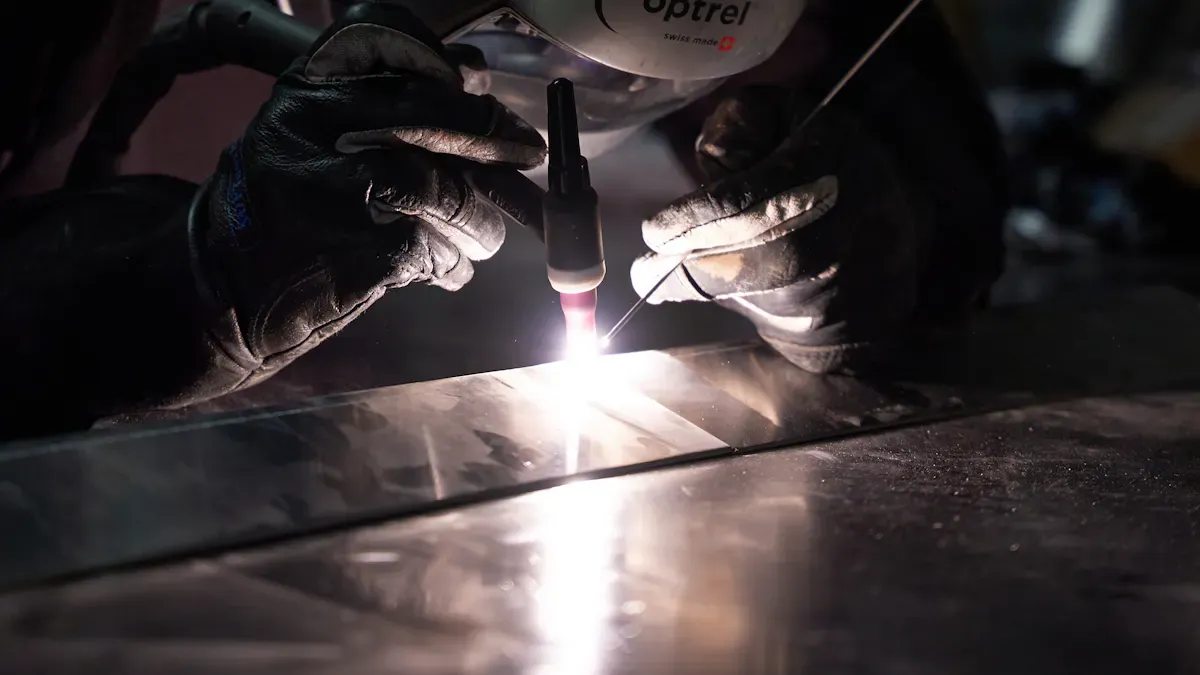
The WP17 TIG torch stands out for its smart design and reliable performance. The torch uses an air-cooled system, which keeps it lightweight and easy to handle. Welders can use it for long periods without feeling tired. The torch supports amperage ratings up to 200A and offers a duty cycle between 40% and 60%. This means it can handle many welding jobs without overheating.
The WP17 TIG torch works with standard TIG welding systems. It comes with accessories like collets, cups, and back caps, which help users get high-quality welds every time. The handle is customizable, so welders can pick a style and color that feels right in their hand. This torch also fits different cable lengths, such as 4m or 8m, giving more freedom to move around the workspace. According to the American Welding Society, proper torch selection is critical for maintaining welding quality and operator safety.
Tip: A lightweight torch with a comfortable handle can make precision welding much easier, especially during long projects.
Advantages Over Other TIG Welding Torches
When comparing the WP17 TIG torch to other types of TIG welding torches, some key differences between TIG torches become clear. The 17 series TIG torch is lighter than the WP18 or WP26 models, making it a top choice for jobs that need precision. The air-cooled design means there is no need for extra water-cooling equipment, so setup is simple.
Here's a quick look at how the WP17 TIG torch compares to other models:
| Torch Model | Amperage Rating | Duty Cycle |
|---|---|---|
| WP17 | 200A | 40-60% |
| WP26 | 200A | 60% |
| WP20 | 250A | 100% |
| WP18 | 350A | 100% |
The WP17 TIG torch gives optimal performance for most light to medium welding tasks. It is also easier to carry and set up than heavier models. Welders who want both quality and convenience often choose this torch.
Need Expert Guidance on Selecting Your TIG Torch?
Our welding specialists are ready to help you choose the perfect WP17 TIG torch configuration for your specific needs. Get personalized recommendations and competitive quotes today.
Request a Quote NowCommon Uses for WP17 TIG Torch
The WP17 TIG torch fits many jobs. People use it for automotive repairs, thin-sheet metal work, and projects that need precision. It works well for steel, stainless, and aluminum. Many welders pick this torch for its balance of power and control. The torch helps users achieve high-quality welds, even on tricky or delicate pieces.
This torch also supports different types of TIG welding torches, so it adapts to many welding styles. Welders who want precision and performance in their work often rely on the WP17 TIG torch for the best results.
Identify Your Welding Needs
Choosing the right torch starts with knowing what you plan to weld. Every project has different needs. Some jobs use thin metal. Others need more power for thick steel. When welders match their tools to the job, they get better results and stay safer.
Material Type and Thickness
Steel, Stainless, Aluminum
Welders often work with steel, stainless, or aluminum. Each metal acts differently when heated. Steel is strong and common in many projects. Stainless resists rust and needs a steady hand. Aluminum melts fast and needs careful control. The WP17 TIG torch works well with all three, making it a good choice for many jobs. The Lincoln Electric Welding School provides comprehensive guidelines on material selection and welding parameters.
When picking a TIG torch, welders should check:
Base material compatibility
Current type (AC or DC)
Nozzle size for the job
Collet sizing for the electrode
Current capacity of the torch
Impact of Thickness
Metal thickness changes everything. Thin sheet metal needs less heat. Thick pieces need more power. Using the right electrode and nozzle helps control the weld. Here's a quick guide:
| Electrode Diameter | Recommended Nozzle Size | Application Range |
|---|---|---|
| 1.0mm | #4 or #5 (6-8mm) | Thin sheet metal, precision work under 60 amps |
| 1.6mm | #5 or #6 (8-10mm) | General fabrication 60-150 amps |
| 2.4mm | #6 or #7 (10-12mm) | Structural welding 150-225 amps |
| 3.2mm | #7 or #8 (12-13mm) | Heavy fabrication above 225 amps |
Tip: Size #4-5 nozzles handle up to 125 amps. Size #6-7 nozzles work up to 200 amps. Size #8 nozzles can take 250+ amps. Gas lens systems can add even more capacity.
Amperage Requirements
Matching Torch and Machine Amperage
Welders need to match the torch to the job's power needs. Too little power, and the weld will not hold. Too much, and the torch may overheat. Here's a simple way to figure out the right amperage:
Material thickness sets the amperage. For every .001 inch of thickness, use 1 amp. For example, .125 inch thick metal needs about 125 amps.
Pick the right wire size for your most common jobs:
30-130 amps: .023 inch wire
40-145 amps: .030 inch wire
50-180 amps: .035 inch wire
75-250 amps: .045 inch wire
Set the wire feed speed. This controls how deep the weld goes.
Adjust the voltage. Make small changes to get a steady arc.
Note: Always check that the TIG torch and welding machine can handle the same amperage. This keeps the equipment safe and helps the weld look clean.
Welding Frequency and Environment
Welders should think about how often they use their torch and where they work. Someone who welds every day in a shop needs a torch that can handle long hours. A hobbyist working on weekends may not need as much power. The environment matters too. Welding in a shop is different from working outside or fixing cars in a garage.
Shop work often means steady power and less movement.
Field work may need longer cables and a torch that is easy to carry.
Automotive jobs often use thin metal and need a torch with good control.
Choosing the right TIG torch for your needs makes every project smoother. Welders who match their torch to their materials, amperage, and work environment get better results and enjoy their work more.
Match TIG Torch Specifications
Amperage Rating and Cooling Type
Every welder wants a torch that matches their power needs. The amperage rating tells how much current the torch can handle. If someone uses too much power, the torch can overheat or break. The WP17 TIG torch offers a solid amperage range, making it a smart choice for many jobs. Welders who pick the right amperage rating get high-quality welds and avoid damage.
Air-Cooled vs. Water-Cooled TIG Torches
Welders often ask about cooling types. Air-cooled TIG torches use airflow to keep the torch cool. These torches feel lighter and work well for short or medium jobs. Water-cooled TIG torches use water to remove heat. They stay cooler during long welding sessions and heavy-duty tasks. Here's a quick comparison:
| Cooling Type | Weight | Best For | Maintenance | Duty Cycle |
|---|---|---|---|---|
| Air-Cooled | Light | Short, mobile projects | Easy | Medium |
| Water-Cooled | Heavy | Long, high-amp jobs | More steps | High |
Tip: Air-cooled torches suit mobile work and quick repairs. Water-cooled torches fit shop jobs and thick materials.
Welders who want optimal performance should match the cooling type to their project. The 17 series TIG torch gives flexibility for both air-cooled and water-cooled setups.
Torch Head Style: Fixed vs. Flexible
The torch head style changes how easy it is to weld in tight spots. Fixed heads stay in one position. They work well for straight lines and open areas. Flexible heads bend and twist. Welders use them for corners, curves, and hard-to-reach places. The WP-17V TIG torch with flex head lets users adjust the angle for precision welding.
Here's a simple list of benefits:
Fixed Head: Strong, stable, good for flat work.
Flexible Head: Adjustable, helps with tricky angles, boosts precision.
Welders who need precision often choose flexible heads. They find it easier to get high-quality welds in tough spots.
Cable Length and Options
Cable length affects how far a welder can move. Short cables work well in small shops. Long cables help in big spaces or field jobs. The WP17 TIG torch comes with options like 4m and 8m cables. Welders pick the length that fits their workspace.
| Cable Length | Best Use | Mobility |
|---|---|---|
| 4m | Small shops | Easy |
| 8m | Large areas, field | More |
Note: Longer cables give more freedom but can feel heavier. Welders should balance mobility and comfort.
Some welders use the standard WP-17V TIG torch for everyday jobs. Others try the WP-17V TIG torch with valve or the WP-17V TIG torch with amperage control for more features. The WP-17V TIG torch with gas lens improves gas coverage and helps with precision. For tough jobs, the WP-17V TIG torch with water cooling keeps the torch cool and steady.
Welders who match cable length, head style, and cooling type to their needs get the best performance. They enjoy quality work and easier welding.
WP-17V Lift TIG Torch Considerations
Many welders want more control and to move easily. The WP-17V lift TIG torch gives them both. This torch is special in the 17 series TIG torch group. It lets welders start welding without a foot pedal or high-frequency start. They just touch the tungsten to the metal and lift it up. This way, they can start welding right away. It is helpful in places with sensitive electronics. High-frequency starts can cause problems there.
The WP-17V lift TIG torch is good for welders who move a lot or work in small spaces. There is a valve on the handle. Welders can control the gas flow right at the torch. They do not need to go back to the machine to change settings. Many welders say this torch feels lighter and easier to hold. They feel less tired after long jobs.
Here's a table that shows how the WP-17V lift TIG torch compares to standard WP17 models:
| Feature/Use Case | WP-17V Lift TIG Torch | Standard WP17 Models |
|---|---|---|
| Control and Flexibility | Enhanced control and flexibility | Standard control |
| Welding Precision | Improves precision | Standard precision |
| Operator Fatigue | Reduces fatigue | Standard fatigue levels |
| Cost | Generally more expensive | Less expensive |
| Maintenance | May require additional maintenance | Standard maintenance |
| Cooling System | Can include water cooling for high-amperage | Typically air-cooled |
Welders who need extra precision or work on detailed projects like this torch. It helps them make cleaner welds and gives more control. Some jobs, like fixing cars or thin metal, need this kind of accuracy.
Tip: If a welder works where high-frequency starts are not allowed, the lift start feature is very helpful.
The WP-17V lift TIG torch works with many welding machines. It is best for people who want simple tools but still want great results. Welders who use this torch often find their work is smoother and more fun.
Ensure Compatibility and Safety
Welding Machine Compatibility
Welders want their tools to work together without problems. They check if the WP17 TIG torch fits their welding machine before they start. Most TIG welding torches use standard connectors. Some machines need special adapters to connect. Welders look at the power source and connector type on both the torch and the machine. If the connectors are the same, the torch will work well. If they are not the same, welders use adapters to connect them. Welders always check the amperage rating to make sure the torch can handle the machine's power. This keeps the setup safe and stops damage.
Tip: Welders read the user manual for both the torch and the machine. This helps them find any problems with compatibility early.
Connector Types and Adapters
Welders see many connector types in the shop. Some common ones are DINSE, Tweco, and Miller-style connectors. Each connector has its own shape and size. Welders pick the right connector for their machine and torch. If the torch and machine use different connectors, adapters fix the problem. Adapters let welders connect the TIG torch to almost any machine. They check the adapter's rating to make sure it can handle the current. Using the right adapter keeps the connection strong and safe.
DINSE connectors: Easy to use and found in many machines.
Tweco connectors: Used for heavy-duty welding jobs.
Miller-style connectors: Fit Miller machines and some others.
Welders keep extra adapters in their toolbox. This way, they can switch torches or machines fast.
Safety Tips for TIG Welding Torches
Safety is the most important thing in welding. Welders follow safety rules to protect themselves and others. They wear flame-resistant jackets and pants to keep sparks off their skin. Thick leather gloves protect their hands from heat and burns. Safety glasses go under the helmet to stop flying debris. Welders use respirators to filter out bad fumes. They keep the workspace clean and neat to avoid accidents. Good ventilation removes welding gases from the air. Fire extinguishers stay close in case of fire. Welders ground the workpiece for electrical safety and warn others before starting. The Occupational Safety and Health Administration (OSHA) provides comprehensive welding safety standards and guidelines.
Here's a table with top safety tips for TIG welding torches:
| Safety Tip | Description |
|---|---|
| Welding Jacket and Pants | Wear flame-resistant clothes to protect skin from sparks and hot metal. |
| Welding Gloves | Use thick leather gloves to protect hands from heat and burns. |
| Safety Glasses | Always wear safety glasses under the helmet for extra protection. |
| Respiratory Protection | Use a respirator to filter out bad fumes and gases. |
| Maintain a Clean Workspace | Keep the area neat to lower the risk of accidents. |
| Proper Ventilation | Make sure there is good airflow to remove welding fumes and gases. |
| Fire Safety | Keep a fire extinguisher nearby and know how to use it. |
| Grounding the Workpiece | Ground the workpiece for electrical safety. |
| Warning Others | Tell people nearby when welding to prevent accidents. |
| Inspect Equipment Regularly | Check welding equipment for damage before using it. |
Welders who follow these safety tips stay safer and do better TIG projects. They protect themselves, their tools, and everyone around them.
Ergonomics and Accessories
Handle Design and Comfort
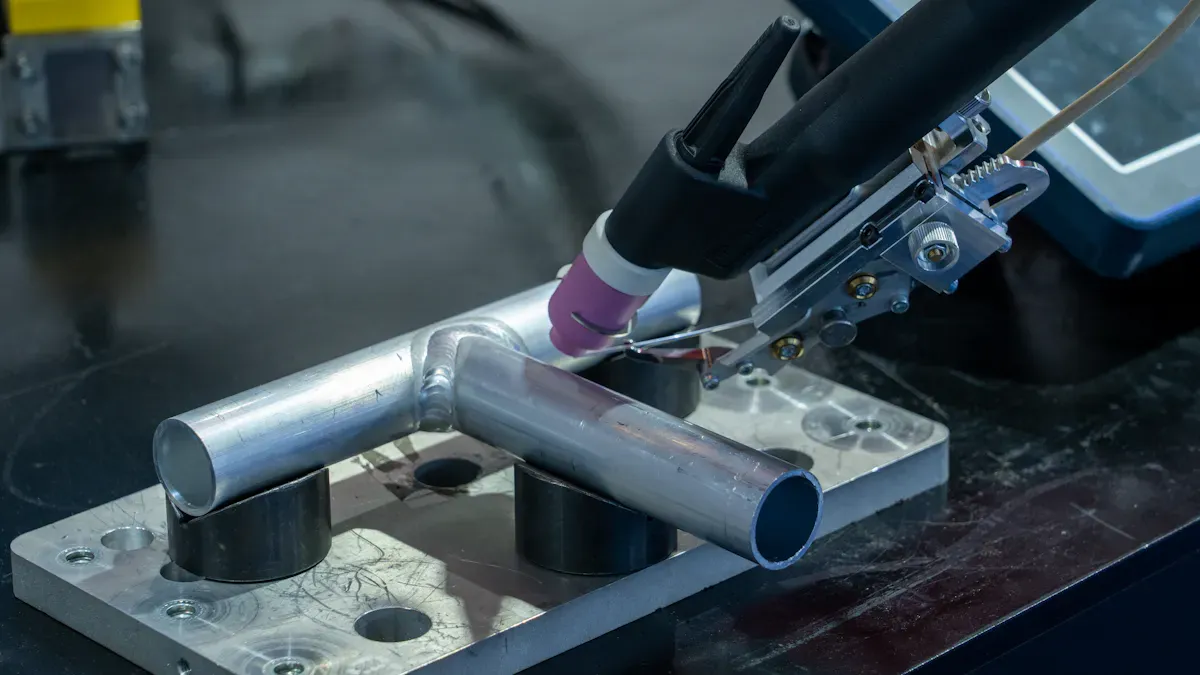
Handle design is very important in TIG welding. Welders feel the difference when they use an ergonomic handle. A comfortable grip helps them stay focused. It also keeps their hand steady. Custom handles let welders pick the style and color they like. This makes welding feel more personal.
A good handle helps reduce tiredness. Lightweight torches let welders work longer. They do not get tired as fast. Their hands stay steady, so their welds are more precise. Here are some ways ergonomic handles help:
Gives a comfortable grip for better control.
Makes hands less tired during long welding jobs.
Helps welders be more precise by keeping hands steady.
Tip: Welders who use a torch with a good handle find it easier to make clean welds.
Weight and Balance
Weight and balance are important for how a torch feels. A light torch lets welders move easily. They do not have to fight heavy tools. Balanced torches help welders keep their hands steady. This matters for detailed work and long projects.
Welders often pick air-cooled torches because they are lighter. They can use these torches for hours without feeling uncomfortable. Balanced design means the torch does not tip or pull. Welders stay comfortable and focused.
| Feature | Benefit |
|---|---|
| Lightweight | Less tiredness, more movement |
| Balanced Design | Steady hand, better accuracy |
Welders who use light, balanced torches enjoy their work more. They finish jobs faster and get better results.
TIG Torch Accessories
Accessories are important in TIG welding. Welders use several key parts to get the best results. Essential accessories include:
Back Cap
Collet
Collet Body
Gas Lens
Gas Lens Cup
Accessory kits usually have collets, collet bodies, ceramic cups, and gas lens collet bodies. These parts help make a steady arc and improve gas coverage. Welders who use the right accessories get smoother welds and fewer mistakes.
Each accessory has a special job. Collets hold the tungsten in place. Cups guide the gas flow. Back caps seal the torch and protect the electrode. Gas lenses spread the gas evenly, which helps with precision. Welders who keep their accessories clean get good results every time.
Note: Welders should check their accessories before each job. Clean and change parts as needed to keep the torch working well.
Budget and Brand Trustworthiness
Choosing a Budget for TIG Welding Torches
Every welder wants good value for money. Setting a budget helps narrow choices and avoid overspending. Think about how often you will use the torch. Someone who welds every day might spend more on a strong, high-quality torch. A hobbyist or beginner can find a reliable torch that costs less.
Here are some tips for setting your budget:
Decide how much money you can spend first.
Consider the cost of extra parts and replacements.
Usually, higher prices mean better materials or features.
Look for torches with a good warranty. It can save money if repairs are needed.
A simple table can compare options:
| Usage Level | Suggested Budget Range |
|---|---|
| Occasional/Hobby | $50 - $120 |
| Regular/Shop | $120 - $250 |
| Professional | $250 and up |
Tip: Spending a little more on a trusted brand can mean fewer problems and better results over time.
Checking Brand Quality
Not all TIG torches are the same. The brand's quality affects how long the torch lasts and how well it works. Welders should look for brands with a good reputation and positive reviews. Customer feedback shows if a torch can handle daily use.
Things to check when choosing a brand:
Customer reviews and ratings
How long the warranty lasts and what it covers
Availability of replacement parts
Support from the company
A brand with many repeat customers usually means people trust it. For example, some brands have a repeat order rate of 30% or more. This shows welders come back because they like the quality and service.
Note: A perfect review score, like 5.0, shows high customer happiness and dependable performance.
Common Mistakes and Maintenance
Mistakes to Avoid When Choosing a TIG Torch
Many welders make easy mistakes when picking a TIG torch. These mistakes can cause bad welds or waste money. They can also make welding less safe. Here are some mistakes to watch out for when choosing a TIG torch:
Mismatched Amperage: Some welders pick a torch that cannot handle their machine's amperage. This makes the torch get too hot and break.
Ignoring Compatibility: Some people forget to check if the torch fits their machine's connectors or power source. This means they need adapters and spend more money.
Overlooking Cooling Type: Welders sometimes use air-cooled torches for big jobs. The torch gets too hot and stops working right.
Skipping Ergonomics: A torch with a bad handle or heavy weight is hard to use. It makes welders tired and makes welding harder.
Neglecting Accessories: If you do not have the right accessories, like collets or cups, gas flow and arc stability will be bad.
Not Considering Cable Length: Short cables make it hard to move. Long cables can feel heavy and hard to use.
Ignoring Maintenance Needs: Some welders forget that TIG welding torches need regular care to last longer.
Tip: Always check amperage, compatibility, cooling, and handle comfort before you buy. This helps you avoid mistakes and keeps welding safe.
Maintenance Tips for WP17 TIG Torch
Taking care of the WP17 TIG torch helps it work well and stay safe. It also helps welders get better welds with fewer problems. Here is an easy guide for taking care of your torch:
Inspect the Liner and Wire Feeding System: Look for dust and check if everything lines up. This stops wire friction and keeps things running smooth.
Check Gas Connections and Hoses: Look at hoses for cracks and test for leaks. Good gas flow is important for clean welds.
Tungsten Electrode Care: Clean and check the tungsten electrode every day. This keeps the arc sharp and steady.
Cleaning the Gas Lens and Collet Assembly: Take out and clean the gas lens. Good gas flow helps with precision welding.
Nozzle and Torch Body Inspection: Clean the nozzle after each use. Check for damage to stop leaks or bad arcs.
Gas System Maintenance: Check all hoses and fittings. Change old parts to stop leaks.
Proper Storage After Daily Use: Keep the torch in a clean, dry place. This keeps out dust and water.
Regular care means fewer welding problems and makes TIG welding torches last longer.
Cleaning parts like collets, nozzles, and electrodes stops buildup and keeps the torch working well.
Welders who do these steps get better results and safer welding.
Note: A clean torch helps welders focus on quality and precision. It also saves money by stopping repairs and replacements.
Choosing the right WP17 TIG torch helps welders get high-quality welds and stay safe. They should follow these steps for optimal performance:
Learn the parts of the TIG torch and pick the right tungsten for each job.
Match torch features to welding needs for safety and precision welding.
Keep the torch clean and check parts often.
The table below shows how a good torch design improves quality and performance:
| Feature | Benefit |
|---|---|
| Precision Design | Better precision and welds |
| Stability | Safer and more reliable welding |
| Versatile Use | Fits many welding projects |
Welders who avoid common mistakes and care for their equipment see better results. Many trust reliable brands for dependable TIG torches. They can feel confident when choosing a torch that fits their needs.
FAQ
What materials can the WP17 TIG torch weld?
The WP17 TIG torch works well with steel, stainless steel, and aluminum. Many welders use it for automotive repairs, thin metal, and small fabrication projects.
How do you choose the right cable length?
Welders pick a cable length based on their workspace. Short cables fit small shops. Long cables help in big areas or when moving around a lot.
Can beginners use the WP17 TIG torch?
Yes, beginners can use this torch. Its lightweight design and simple controls make it easy to handle. Many new welders start with this model.
How often should you clean the torch?
Welders should clean the torch after every use. This keeps the parts working well and helps prevent problems during the next job.
What is the duty cycle of the WP17 TIG torch?
The duty cycle tells how long the torch can run before it needs to cool down. Most WP17 TIG torches have a duty cycle between 35% and 60%.
Do you need special safety gear for TIG welding?
Yes, welders need safety gear. They should wear gloves, a welding helmet, and flame-resistant clothing. Good safety habits protect against burns and eye damage.
How do you know if the torch fits your machine?
Check the connectors on both the torch and the welding machine. If they match, the torch will fit. If not, welders can use an adapter.
What makes the WP17 TIG torch a good choice?
The WP17 TIG torch offers a balance of power, comfort, and flexibility. Many welders like its lightweight feel and reliable performance for different welding jobs.