



 Apr 20, 2026
 View:474
Choosing the correct TIG torch for amperage needs ensures both safety and strong weld quality. Many welders make the mistake of using a torch that cannot handle the required current, risking overheating or poor results. A clear, step-by-step guide helps welders understand each part of the selection process. This structure gives them confidence and removes guesswork. By following straightforward instructions, users can match their equipment to project demands with ease.
Key Takeaways
Understanding amperage is crucial for strong, clean welds. Each material requires a specific amperage range for optimal results.
Follow a step-by-step process to determine the correct amperage range for your projects. This includes assessing material thickness and referencing guides.
Choose between air-cooled and water-cooled TIG torches based on your welding environment and amperage needs. Air-cooled torches are portable, while water-cooled ones handle higher currents.
Pay attention to the duty cycle of your TIG torch. A higher duty cycle allows for longer welding sessions without overheating.
Select a torch size that matches the material thickness. Smaller torches work best for thin materials, while larger ones are suited for thicker materials.
Ensure all equipment, including connectors and cables, is compatible with your welding machine. This prevents downtime and improves safety.
Prioritize comfort when selecting a TIG torch. Ergonomic designs reduce fatigue and improve control during long welding sessions.
Plan ahead for future projects. Choose a torch that can handle potential increases in amperage and longer duty cycles to avoid costly upgrades later.
Amperage Range
Understanding Amperage
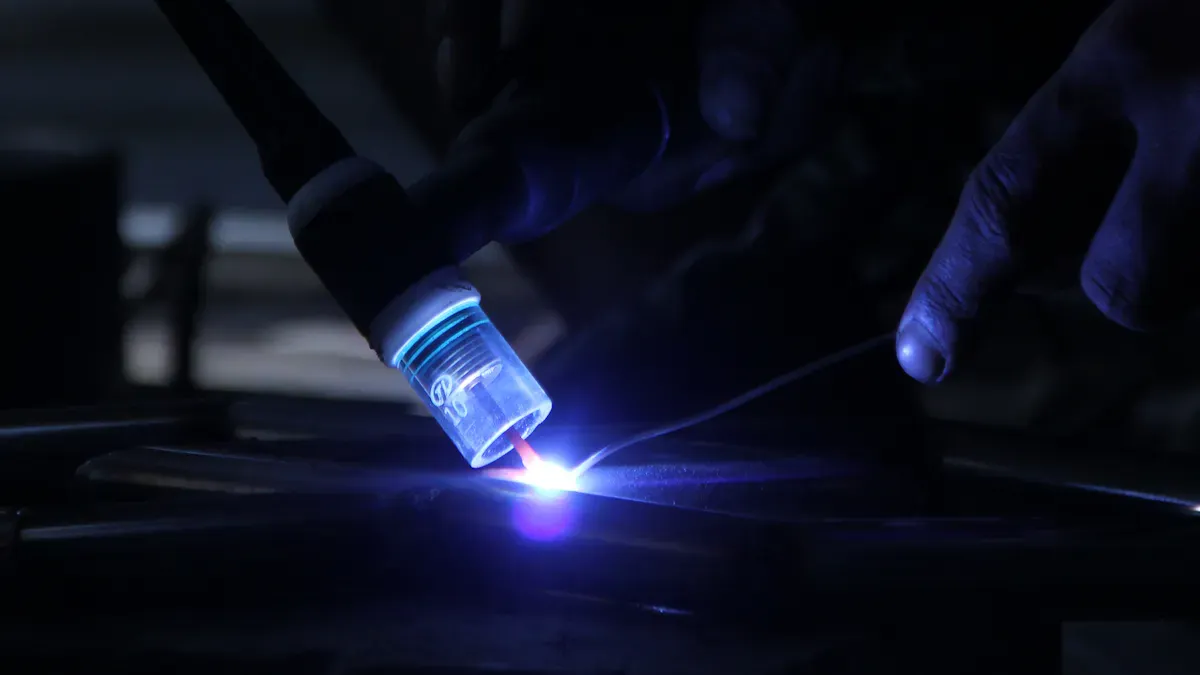
Amperage measures the amount of electrical current used during welding. The correct amperage setting helps create strong, clean welds and prevents damage to both the workpiece and the equipment. Each material, such as mild steel, stainless steel, or aluminum, requires a different amperage range for optimal results. For example, mild steel often uses about 1 amp per thousandth of an inch in thickness as a starting point. Stainless steel needs slightly less amperage to avoid overheating, while aluminum requires specific settings due to its high conductivity and the need for AC current.
| Material | Amperage Requirement |
|---|---|
| Mild Steel | More variance in amperage allowed |
| Stainless Steel | Requires tighter control to prevent oxidation |
| Aluminum | Needs specific settings and AC current |
Note: Knowing the right amperage for each metal ensures better weld quality and reduces the risk of defects.
Determining Your Needs
Selecting the right TIG torch starts with identifying the amperage range needed for your projects. Welders can follow these steps to determine the correct range:
Assess the material by measuring its thickness and noting the type. For example, steel uses DC straight polarity, while aluminum uses AC.
Reference a chart or guide to select a starting amperage. For instance, 120 amps works well for 1/8-inch mild steel.
Prepare the joint by cleaning, beveling if needed, and clamping to prevent distortion.
Set the welding machine, adjusting gas flow to 15 CFH and extending the electrode about 1/4 inch from the cup.
Perform a test weld on scrap material, striking the arc and adjusting the pedal for puddle control.
Weld the actual piece, maintaining a steady speed and adding filler as necessary.
Inspect the weld for proper penetration and absence of cracks. Re-weld if needed.
This process helps welders match their TIG torch to the demands of each project, ensuring both safety and performance.
Need Expert Guidance on TIG Torch Selection?
Our team of welding specialists is ready to help you choose the perfect TIG torch for your specific amperage requirements and project needs.
Request a Free ConsultationWhy Amperage Matters
Choosing a TIG torch with the correct amperage rating is essential for both safety and efficiency. Using a torch rated below the required amperage can cause overheating, damage, and poor weld quality. Golden Globe offers a wide range of TIG torches to suit different amperage needs, from lightweight models like the TIG 9 (125A) for thin materials to heavy-duty options like the YT-50TSW2 (500A) for industrial applications.
| Type of TIG Torch | Amperage Range | Applications |
|---|---|---|
| Air-Cooled TIG Torch | Up to 200 amps | Light-duty work, thin material welding, intermittent use. |
| Water-Cooled TIG Torch | Up to 600 amps | Industrial production, welding of heavy material, continuous operation. |
| Standard TIG Torch | 70 – 200 amps | General welding tasks. |
| Heavy-Duty TIG Torch | 350 – 600 amps | High amperage, heavy-load industrial applications. |
Selecting the right amperage range not only protects the equipment but also ensures consistent, high-quality welds. Golden Globe's diverse lineup allows welders to choose a TIG torch that matches their specific project requirements, whether working on automotive repairs, manufacturing, or custom fabrication.
TIG Torch Size & Type
Air-Cooled vs Water-Cooled
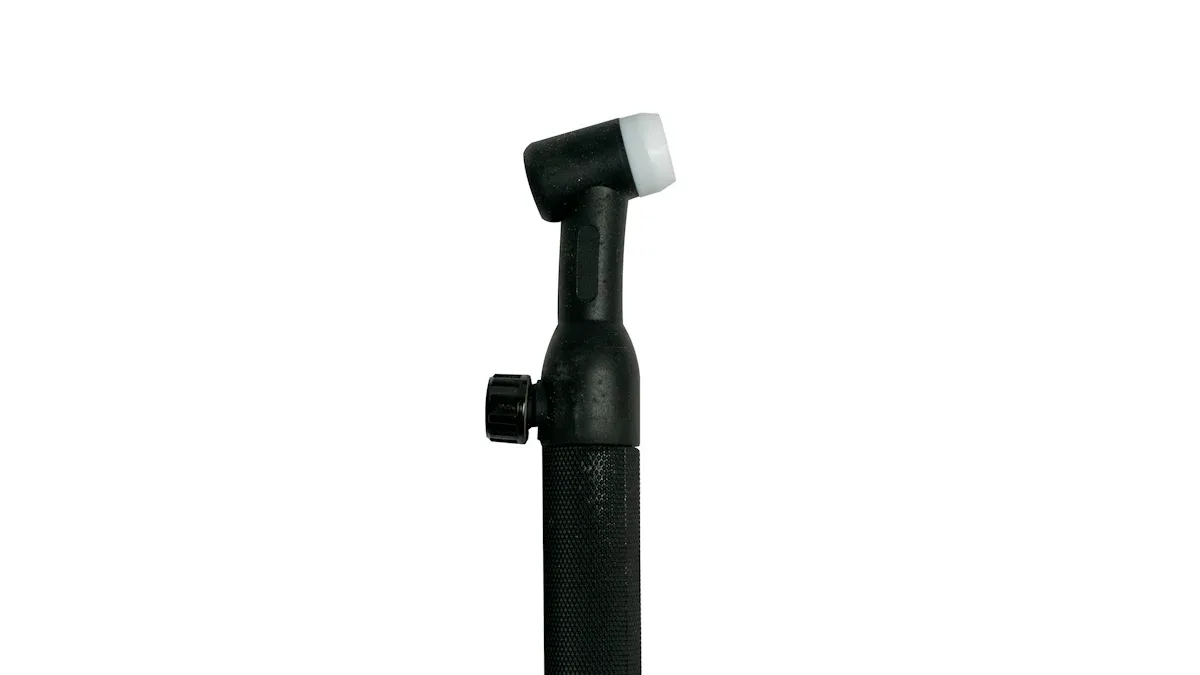
Choosing between air-cooled and water-cooled TIG torches depends on the welding environment and the amperage needed. Air-cooled torches, such as the Golden Globe TIG 26, use ambient air and shielding gas to remove heat. Water-cooled torches, like the Golden Globe TIG 27, use circulating water to cool the torch head. This difference affects how much current each type can handle and where they work best.
Air-Cooled Features
Air-cooled TIG torches are simple and portable. They do not require extra equipment for cooling, which makes them ideal for fieldwork or remote locations. Welders often use these torches for jobs with lower amperage requirements, usually up to 200 amps. Air-cooled torches are slightly larger and heavier because they rely on airflow to manage heat. They work well for short welding sessions and thinner materials.
Tip: Air-cooled torches are a good choice for outdoor repairs or when water is not available.
Water-Cooled Features
Water-cooled TIG torches excel in high-amperage and long-duration welding. These torches use a water cooler to remove heat quickly, allowing them to handle over 200 amps, sometimes up to 300 amps or more. The torch head stays smaller and lighter, which helps reduce fatigue during long welds. Water-cooled torches are best for shop environments where a water cooler is available.
| Feature | Air-Cooled TIG Torch | Water-Cooled TIG Torch |
|---|---|---|
| Amperage Range | Up to 200 amps | Over 200 amps, up to 300+ amps |
| Cooling Method | Air and shielding gas | Circulating water |
| Portability | Highly portable | Less portable |
| Weight and Size | Larger, heavier | Smaller, more ergonomic |
| Cost | More affordable | Higher upfront cost |
Water-cooled torches allow for higher amperage levels without overheating.
The compact torch head improves comfort and control.
These torches are essential for continuous, high-amperage welding.
Torch Size Numbers
Manufacturers use numbers to identify TIG torch sizes. Each number relates to the amperage rating and the cooling method. For example, a size 9 torch handles up to 125 amps and is air-cooled. A size 17 torch can handle up to 150 amps and may be air- or water-cooled. Larger numbers, like 20 or 26, indicate higher amperage capacity and different cooling options.
| Torch Size | Amperage Rating | Cooling | Typical Applications |
|---|---|---|---|
| 9 | 125A | Air-cooled | Thin sheet metal, jewelry repair |
| 17 | 150A | Air/Water | General purpose, pipes, tubing |
| 20 | 250A | Water-cooled | Thicker materials, structural work |
| 26 | 250A | Air-cooled | Heavy-duty fabrication, industry |
Matching Size to Amperage
Selecting the right TIG torch size ensures safe and efficient welding. Smaller torches, such as size 9, work best for thin materials and lower amperage. Larger torches, like size 26, handle thicker materials and higher amperage. Water-cooled torches allow for even greater amperage and longer welds without overheating.
Use a small, air-cooled torch for light-duty jobs and thin metals.
Choose a larger, water-cooled torch for heavy-duty projects and thick materials.
Match the torch's amperage rating to the output of the welding machine.
The amperage rating should meet or exceed the welding machine's output.
Proper matching prevents overheating and extends the life of the torch.
Note: Golden Globe offers a range of TIG torches, from the lightweight TIG 9 for delicate work to the robust TIG 27 for industrial tasks. This variety helps welders find the right tool for every job.
Comfort & Duty Cycle
Duty Cycle Basics
Duty cycle plays a key role in TIG welding. It tells how long a TIG torch can operate before it needs to cool down. For example, a torch with a 60% duty cycle at 200 amps can run for six minutes out of every ten before resting. This rating matters most during long welds or when working with materials like stainless steel, which require steady heat. A higher duty cycle allows welders to work longer without stopping. If a welder pushes a torch past its duty cycle, the torch can overheat. Overheating leads to inconsistent welds and can damage the equipment. Welders should always check the duty cycle rating and match it to their project needs.
The duty cycle rating indicates how long a TIG torch can operate continuously before needing to cool down.
A higher duty cycle enables longer welding sessions without interruptions, which is vital for weld quality.
Operating beyond the duty cycle can lead to overheating and inconsistent welds.
Ergonomics & Weight
Comfort affects both safety and productivity in welding. The design of the handle, neck, and cable impacts how long a welder can work without strain. Lightweight torches with ergonomic handles help reduce finger and wrist fatigue. Flexible cables make it easier to move the torch into tight spots. Some models use a leathered cable hose for extra flexibility. An ergonomic center balance lets welders reach difficult positions with less effort. These features help prevent musculoskeletal strain and allow for longer, more precise work.
| Feature | Benefit |
|---|---|
| Lightweight and ergonomic handle | Improves grip to reduce finger fatigue |
| Ultra-flexible cable | Enhances maneuverability and reduces strain |
Welders who choose ergonomic torches often notice less fatigue and higher productivity. A cooler-running torch also means more time spent welding and less time resting.
Long Weld Sessions
Long welding sessions test both the torch and the welder. A torch with a high-duty cycle and ergonomic design helps maintain weld quality over time. Welders who use lighter torches with flexible cables can work longer without discomfort. This is important for projects that require continuous welding, such as building frames or repairing large equipment. Golden Globe offers TIG torches designed for comfort and durability, making them suitable for extended use in demanding environments.
Tip: For long welds, always select a torch with a high-duty cycle and ergonomic features. This choice protects both the equipment and the welder's health.
Equipment Compatibility
Selecting the right welding equipment involves more than just amperage and torch size. Welders must ensure that their torch, cables, and accessories work together with their welding machine. This step prevents downtime and improves safety.
Connectors & Cables
Welders should always check the connector type on their welding machine before choosing a torch. Common connector types include DINSE, Tweco, and Miller-style. Each type has a unique shape and locking method. Using the wrong connector can lead to poor electrical contact or even damage. Cables must also match the amperage rating of the torch and machine. Thicker cables handle higher currents and reduce heat buildup. Golden Globe TIG torches come with high-quality cables designed for both air-cooled and water-cooled systems. These cables ensure stable current flow and reliable performance.
Tip: Always inspect connectors and cables for wear or damage before starting a project.
Accessory Fit
Proper accessory fit ensures smooth welding and reduces the risk of leaks or electrical faults. Welders can follow these steps to confirm compatibility:
Identify the welding machine's specifications, including amperage range and connector type.
Select a torch that matches the machine's amperage range and connector.
Choose the correct torch size for the project's scale.
Decide between air-cooled and water-cooled styles based on the welding environment.
Check that all accessories, such as collets, cups, and tungsten rods, fit both the torch and machine.
Invest in accessory kits that match the torch and machine specifications.
Golden Globe provides complete kits with compatible hoses, tungsten rods, and consumables. This approach simplifies setup and ensures that all parts fit together seamlessly.
Machine Matching
Matching the torch to the welding machine involves several key considerations. Welders should think about the material they plan to weld. For example, aluminum often requires a torch with a high-frequency starter, while stainless steel benefits from a torch with a high-duty cycle. The thickness of the material also matters. Thin materials need lower amperage torches, while thick materials require higher amperage and a robust duty cycle. Budget and project frequency play a role in the final decision. Golden Globe TIG torches offer broad compatibility with many machine models, making them a flexible choice for both new and experienced welders.
Note: Always review the welding machine's manual to confirm torch compatibility before making a purchase.
By focusing on connectors, accessory fit, and machine matching, welders can avoid common setup problems. Golden Globe's complete kits and wide compatibility help users start welding with confidence.
Features & Accessories
Flexible Necks
Flexible necks give welders more control and comfort during welding. These necks bend easily, allowing the user to reach tight spots or awkward angles. This feature helps when working on complex joints or inside small spaces. Many professionals value flexible necks because they reduce wrist strain and improve accuracy. Golden Globe TIG torches offer models with flexible necks, making them suitable for both detailed and large-scale projects. Welders can adjust the neck to fit the task, which increases efficiency and reduces fatigue.
Switches & Controls
Switches and controls on the torch handle make welding safer and more convenient. Built-in switches allow welders to start or stop the arc without moving their hands away from the workpiece. Some models include fingertip controls for adjusting amperage on the fly. This feature helps maintain a steady weld pool and prevents overheating. Modular designs also allow users to customize the torch with different heads or switches. Interchangeable components let welders adapt the torch for various applications. The table below shows some features that professionals find most valuable:
| Feature | Description |
|---|---|
| Modular Design | Allows customization into multiple configurations for various applications. |
| Interchangeable Components | Can configure into two torch styles with supplied heads or up to seven styles with optional heads. |
| Built-in Cooling System | Reduces overheating, extending the life of parts and consumables. |
Golden Globe TIG torches include these advanced features, supporting both new and experienced welders.
Accessory Kits
Accessory kits provide everything needed for a successful welding project. Golden Globe includes tungsten rods, hoses, and compatible consumables in each kit. These kits help welders set up quickly and avoid searching for missing parts. Proper accessories ensure a tight fit and reliable performance. Welders can find collets, cups, and back caps in the kit, which match the torch and machine. This complete package saves time and reduces errors during setup. Golden Globe's commitment to quality means each accessory meets strict safety and performance standards. Welders can trust these kits for both everyday repairs and demanding industrial jobs.
Tip: Choosing a TIG torch with a complete accessory kit ensures readiness for any welding task.
Flexible necks, advanced controls, and complete accessory kits make a big difference in welding. These features help welders achieve better results and work more comfortably.
Ready to Upgrade Your TIG Welding Equipment?
Contact our team today to discuss your specific requirements and receive personalized recommendations for your welding projects.
Get a Custom QuoteMistakes to Avoid
Underrated Torches
Many welders underestimate the importance of choosing a torch with the right amperage rating. They may select a smaller torch to save money or because it feels lighter. This choice can lead to overheating, poor weld quality, and even equipment failure. A torch that cannot handle the required current will not last long. Welders should always check the amperage rating and match it to their project needs. Using a torch that is too small for the job can also make it harder to control the weld pool and maintain a stable arc.
Some welders also overlook the need for proper shielding gas coverage. They might use a cup that is too small or set the gas flow rate too low. This mistake can cause unprotected seams and weak welds. Welders should use a gas flow rate between 10 and 20 CFH and select a cup size that covers the weld area. These steps help prevent oxidation and ensure a strong, clean weld.
Ignoring Duty Cycle
Ignoring the duty cycle is a common mistake, especially for those new to TIG welding. The duty cycle tells how long a torch can operate before it needs to cool down. If a welder uses a torch beyond its rated duty cycle, the torch can overheat. Overheating can damage the torch and reduce its lifespan. Welders should always check the duty cycle rating and plan their work to avoid long, continuous welds that exceed the torch's limits.
A high-duty cycle is important for projects that require long welds or thick materials. Welders should choose a torch with a duty cycle that matches their work style. For example, industrial jobs often need a torch with a higher duty cycle. Taking breaks between welds helps the torch cool down and prevents damage.
Tip: Always check the duty cycle before starting a project. This habit protects both the torch and the welder.
Overlooking Comfort
Comfort plays a big role in welding, but many welders ignore it when choosing equipment. A heavy or poorly balanced torch can cause hand and wrist fatigue. Over time, this discomfort can lead to mistakes and lower productivity. Welders should look for torches with ergonomic handles and flexible cables. These features make it easier to hold the torch steady and reach tight spots.
Welders should also pay attention to the weight of the torch and the design of the handle. A lightweight, well-balanced torch reduces strain and allows for more precise control. Flexible necks and cables help welders adjust their grip and position for each weld. Choosing a comfortable torch leads to better results and a safer work environment.
Note: Welders who focus on comfort can work longer and produce higher-quality welds.
Welders can avoid many common mistakes by selecting the right TIG torch, checking the duty cycle, and prioritizing comfort. They should also remember to prepare joints properly, use the correct electrode, and maintain the right torch angle for each weld.
Not Planning Ahead
Many welders focus only on their current project when choosing a TIG torch. They may select a torch based on price or immediate needs. This approach can lead to problems as their skills grow or as they take on new types of welding jobs. Planning ahead helps welders avoid costly upgrades and downtime in the future.
A TIG torch should match not only today's requirements but also tomorrow's challenges. Welding projects often change. A welder might start with thin sheet metal but later work on thicker materials or longer welds. If the torch cannot handle higher amperage or longer duty cycles, it may overheat or wear out quickly. This results in lost time and extra expenses.
Welders should consider several factors before making a purchase:
Initial Investment: Water-cooled torches cost more at first because they need extra cooling equipment. However, this investment pays off for those who plan to weld at high amperage or for long periods.
Long-term Savings: Water-cooled systems help consumables last longer. Welders spend less on replacement parts over time, which saves money in the long run.
Operator Comfort: Water-cooled torches are lighter and smaller. They reduce fatigue during long welding sessions, making them a better choice for frequent or professional use.
Duty Cycle Considerations: A torch that matches future projects can handle longer welds without overheating. This keeps productivity high and reduces downtime.
Tip: Welders should think about the types of materials they may work with in the future. They should also consider how often they plan to weld and whether they might need higher amperage or longer duty cycles.
Choosing a torch based only on price can limit a welder's options. A less expensive torch may work for small jobs but struggle with larger or more complex projects. Upgrading later often costs more than investing in the right torch from the start. Welders who plan ahead can avoid frustration and keep their work moving forward.
TIG Torch Selection Checklist
Quick Steps
A clear checklist helps welders select the right equipment and avoid common mistakes. The following steps guide users through the essential process for choosing and setting up a TIG torch:
Identify Material and Thickness: Determine the type of metal and its thickness to estimate the required amperage.
Select the Proper Tungsten Electrode: Choose the correct electrode material and diameter for the application.
Prepare the Tungsten Electrode: Shape and grind the electrode tip to prevent contamination and ensure a stable arc.
Assemble Torch Components: Use the right sizes for collet, collet body, and gas nozzle to match the electrode and torch.
Adjust Tungsten Stick-Out: Set the electrode to protrude about 1/8 inch (3 mm) from the gas nozzle for optimal shielding.
Connect the Torch to the Welder: Attach the torch securely, check power and gas connections, and inspect for leaks.
Set Welder Parameters: Select the current type (AC or DC), adjust amperage, and set gas flow rates as needed.
Review Compatibility: Confirm that all accessories, cables, and connectors fit both the torch and the welding machine.
Check Duty Cycle and Comfort: Ensure the torch can handle the planned welding duration and feels comfortable in hand.
Perform a Test Weld: Test on scrap material to verify settings and make final adjustments.
Tip: Reviewing this checklist before each project helps prevent errors and extends equipment life.
| Factor | Description |
|---|---|
| Material Compatibility | Ensures the selected torch is suitable for the base materials being welded. |
| Current Requirements | Matches the torch to the specific current type needed for the application. |
| Access Constraints | Considers the physical space available for using the torch effectively. |
Final Tips
Professional welders recommend several strategies to ensure the best results when selecting and using a TIG torch:
Beginners benefit from starting with a versatile size 17 torch, which suits many basic projects.
Intermediate welders should match torch size to the material thickness and job type, choosing air-cooled models for portability or water-cooled for efficiency.
Advanced users often select water-cooled torches, such as size 20 or 24, for demanding or continuous work.
Comfort matters. Choose a torch that fits well in hand and consider ergonomic features for longer sessions.
Accessories add value. Look for kits that include tungsten rods, hoses, and consumables for a complete setup.
Budget wisely. Investing in a quality torch saves money over time by reducing downtime and replacement costs.
Note: When in doubt, welders should review their needs and consult with trusted suppliers like Golden Globe for expert advice.
A checklist supports welders in making informed decisions, reducing the risk of mismatched equipment and ensuring safe, high-quality welds.
Selecting the correct TIG torch involves matching amperage, comfort, and compatibility. The table below highlights key differences between air-cooled and water-cooled torches:
| Feature | Air-Cooled TIG Torch | Water-Cooled TIG Torch |
|---|---|---|
| Cooling Method | Uses air and shielding gas | Uses circulating water |
| Amperage Range | Up to 200 amps | Over 200 amps, up to 300+ amps |
| Portability | Very portable | Needs water cooler |
| Weight and Size | Larger and heavier | Smaller, ergonomic torch head |
| Cost | More affordable | Higher cost |
A comfortable grip and flexible nozzle help reduce fatigue. Welders should use the checklist for every purchase. If unsure, they can consult suppliers like Golden Globe. Regular review of equipment and maintenance ensures top performance.
FAQ
What is the main difference between air-cooled and water-cooled TIG torches?
Air-cooled torches use air and shielding gas to remove heat. Water-cooled torches use circulating water for cooling. Water-cooled models handle higher amperage and longer welds.
How do I know which amperage rating I need for my TIG torch?
Check the thickness and type of metal you plan to weld. Match the torch's amperage rating to your welding machine's output and your project's requirements.
Can I use the same TIG torch for both AC and DC welding?
Many TIG torches support both AC and DC welding. Always check the manufacturer's specifications to confirm compatibility with your welding machine.
Why does torch comfort matter during welding?
Comfortable torches reduce hand and wrist fatigue. Ergonomic handles and lightweight designs help welders work longer and maintain better control.
What accessories should come with a TIG torch kit?
A good kit includes tungsten rods, hoses, collets, cups, and back caps. These accessories ensure a complete setup and reliable performance.
How often should I check my TIG torch and accessories?
Inspect the torch, cables, and connectors before each use. Regular checks prevent equipment failure and improve safety.
Can I upgrade my TIG torch later if my projects change?
Yes. Many TIG torches offer modular designs and interchangeable parts. Welders can upgrade components or switch to higher amperage models as their needs grow.
Do all TIG torches fit every welding machine?
No. Welders must check connector types and compatibility. Golden Globe torches offer broad compatibility, but always review your machine's manual before purchasing.