



TIG Torch Consumables: Everything You Need to Know
 Nov 28, 2025|
 View:2002
TIG torch consumables determine weld quality and operator safety in precision welding applications. These components—from ceramic nozzles to tungsten electrodes—create the shielding environment that prevents contamination during the welding process. Whether working on aerospace components or automotive repairs, understanding consumable selection prevents costly defects. The global TIG welding equipment market continues expanding as manufacturers demand higher precision in metal fabrication. Common challenges include tungsten contamination, porosity from inadequate gas coverage, and premature consumable failure.
| Component Type | Primary Function |
Ceramic Nozzles | Direct shielding gas flow and protect arc area |
Collets | Secure tungsten electrode and maintain electrical contact |
Collet Bodies | House collets and create gas pathway |
Tungsten Electrodes | Generate welding arc and transfer current |
Key Takeaways
- TIG torch consumables directly impact weld quality by controlling gas flow and arc stability in precision applications.
- These components are essential in industries like aerospace, automotive fabrication, and pipe welding, where joint integrity is critical.
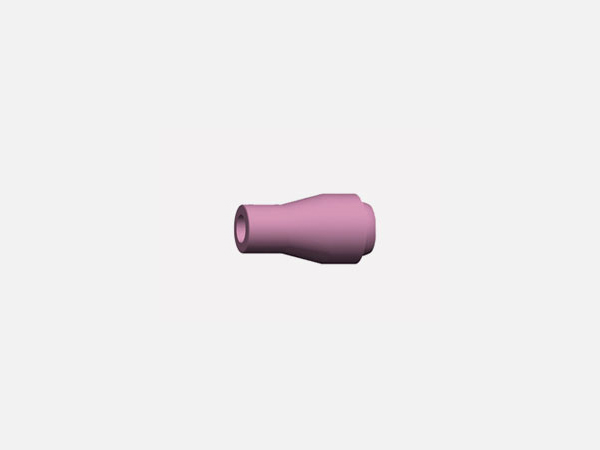
- TIG torch nozzles use ceramic materials to withstand extreme temperatures while maintaining proper gas distribution patterns.
- Tungsten electrode selection varies by base material—2% thoriated for steel, pure or zirconiated for aluminum applications.
- With proper maintenance, ceramic nozzles last 30-50 hours, while collets function reliably for 100-150 hours of operation.
- Correct sizing prevents common defects including arc wander, tungsten inclusion, and weld pool contamination.
- Choosing quality TIG torch consumables involves understanding material compatibility, amperage requirements, and environmental conditions.
- Regular inspection identifies wear patterns early, ensuring consistent performance and reducing expensive rework from defective welds.
TIG Torch Consumables Overview
What Are TIG Torch Consumables
TIG torch consumables serve critical functions in creating clean, precise welds. These components work together as a system to protect the weld pool from atmospheric contamination. The primary purpose centers on maintaining arc stability while directing shielding gas flow around molten metal. Construction typically involves heat-resistant ceramics for nozzles, copper alloys for collets, and various tungsten formulations for electrodes.
"TIG torch consumables form the interface between the welding power source and the workpiece, controlling gas flow, arc characteristics, and heat distribution throughout the welding process."
The technical composition of quality TIG torch consumables includes:
| Feature | Description |
Purpose | Creates contamination-free environment for fusion welding |
Construction | Ceramic bodies, copper alloy contact parts, tungsten electrodes |
Safety Design | Heat-resistant materials prevent component failure during high-amperage operations |
TIG welding applications span industries requiring defect-free joints. Fabrication shops use these consumables for stainless steel, aluminum, and exotic alloy welding. The components ensure that shielding gas reaches the weld zone effectively. Quality consumables protect both the molten pool and the heated base material from oxidation.
Essential characteristics of TIG torch consumables:
- Designed for high-temperature environments with materials rated above 1,200°C
- Prevent atmospheric gases from contaminating the weld zone
- Maintain precise dimensional tolerances for consistent gas flow patterns
Why Use Quality TIG Torch Consumables
Fabricators choose quality consumables for several practical reasons. Performance stands as the top priority—inferior components create inconsistent arc behavior and weld defects. Premium consumables also help operators maintain consistent technique across production runs. The robust construction of quality parts ensures reliability even during extended welding sessions.
| Feature | Quality Consumables | Standard Consumables |
Weld consistency | ✓ High repeatability | △ Variable results |
Component life | ✓ Extended service intervals | △ Frequent replacement |
Defect prevention | ✓ Minimal porosity risk | △ Higher contamination rates |
Quality TIG torch consumables offer confidence for welders and shop managers. These components reduce scrap rates from contaminated welds. Industries such as pressure vessel fabrication, food processing equipment manufacturing, and medical device production rely on premium consumables to maintain quality standards. Applications of TIG welding with quality consumables include orbital tube welding, thin-wall pipe joints, and critical aerospace components.
How TIG Torch Consumables Function
TIG torch consumables use coordinated design elements to control welding conditions. The ceramic nozzle directs argon or helium gas around the electrode, creating a protective atmosphere. This design prevents oxygen and nitrogen from reaching temperatures where they would dissolve into molten metal.
| Feature | Description |
| Ceramic Nozzles | Withstand temperatures exceeding 1,200°C while maintaining dimensional stability |
| Gas Flow Control | Channels shielding gas in laminar patterns for maximum coverage efficiency |
| Electrode Securing | Collet system maintains precise electrode positioning under thermal cycling |
| Heat Management | Copper components conduct heat away from critical contact points |
Key operational principles:
- Engineered to maintain gas flow even when nozzle angles vary during welding
- Utilize thermal expansion properties to maintain mechanical grip on electrodes
- Channel heat away from vulnerable components through conductive pathways
Quality TIG torch nozzles provide several advantages over economy alternatives. Premium ceramic nozzles resist thermal shock better, surviving rapid temperature changes without cracking. Gas lens systems integrated with quality collet bodies create laminar flow that extends effective shielding distance by 40-50%.
Recent improvements in consumable technology include:
- Enhanced ceramics: Alumina blends resist chemical attack from welding fumes
- Extended electrode life: Rare earth additions to tungsten reduce consumption rates by 30%
- Improved gas distribution: Layered screen designs in gas lenses eliminate turbulence
- Better heat tolerance: Collet materials now function reliably at higher sustained temperatures
- Precision manufacturing: Tighter tolerances ensure consistent gas flow characteristics
- Contamination resistance: Surface treatments prevent copper pickup on tungsten electrodes
- Ergonomic designs: Shorter nozzle lengths improve operator visibility in confined spaces
- Standardization: Industry-wide compatibility reduces inventory complexity for fabrication shops
Modern TIG torch consumables now deliver superior arc control, reduced gas consumption, and longer service intervals. These improvements make quality consumables the logical choice for professional welding operations. The applications of TIG welding continue expanding as consumable technology advances and fabrication standards become more demanding.
Understanding TIG Welding Environments
Where TIG Welding Is Performed
Professional fabricators perform TIG welding in diverse environments. These settings range from climate-controlled manufacturing facilities to field construction sites. The locations where welding occurs influence consumable selection and maintenance practices. Fabrication shops maintain dedicated TIG welding stations with proper ventilation systems. Construction sites require portable equipment that withstands dust and temperature variations.
The following settings commonly utilize TIG welding processes:
- Aerospace manufacturing facilities for titanium and aluminum alloy components
- Automotive repair shops for exhaust system and body panel work
- Shipyards for stainless steel piping and structural assemblies
- Food processing plants for sanitary stainless steel equipment fabrication
Common Applications
Many industries depend on TIG welding for critical joint requirements. Pipe welding operations use TIG processes to create root passes that meet radiographic inspection standards according to established welding codes. Sheet metal fabrication relies on TIG techniques for thin-gauge material joining without burn-through. Maintenance welding requires TIG capabilities for repairing precision components and tools.
| Industry/Application | Specific Requirements |
Pressure Vessel Fabrication | Full-penetration welds meeting ASME code standards and radiographic inspection |
Orbital Tube Welding | Automated TIG systems for pharmaceutical and semiconductor process piping |
Aluminum Fabrication | AC TIG capabilities with cleaning action for oxide layer removal |
Common applications also include stainless steel architectural elements, exhaust manifolds, and bicycle frame construction. These projects need TIG torch consumables to ensure clean fusion and attractive bead appearance. Quality consumables provide consistent results across different materials and joint configurations.
Challenges Without Quality Consumables
Using substandard consumables in TIG welding creates significant problems. Inferior ceramic nozzles crack prematurely, disrupting gas flow patterns. Poor-quality collets allow electrode movement during welding, causing arc instability. These conditions lead to porosity, tungsten inclusions, and incomplete fusion defects.
Standard consumables create several operational issues. Undersized gas passages restrict flow, requiring higher regulator pressures that create turbulent conditions. Rough internal surfaces in collet bodies cause electrode sticking and surface damage. Non-compliance with dimensional standards means components from different suppliers may not interchange properly.
Fabrication facilities that compromise on consumable quality face higher rejection rates and costly rework. Production schedules suffer when operators stop to replace failed components. Operators working with inadequate consumables experience frustration and fatigue from fighting unstable arc conditions.
Risks of economy-grade TIG torch consumables include:
- Premature ceramic failure from thermal shock during high-current operations
- Electrode slippage causing tungsten contamination in critical weld zones
- Inconsistent gas coverage leading to atmospheric contamination and porosity
- Dimensional variations preventing proper fit with torch bodies
Facilities should always specify quality TIG torch consumables for production welding. This choice protects weld integrity, operator productivity, and customer relationships. Quality components reduce downtime and maintain the reputation essential for repeat business in competitive fabrication markets.
Key Features of Quality TIG Torch Consumables
Material Quality
Quality TIG torch consumables offer several critical features that separate them from economy alternatives. These characteristics ensure reliable performance in demanding welding environments. Professional fabricators recognize these features when selecting components for production work.
High-Purity Ceramics
Manufacturers produce quality TIG torch nozzles from high-purity alumina ceramic. This material composition resists thermal shock during rapid heating cycles. The ceramic withstands temperatures exceeding 1,400°C without degradation. Alumina content above 95% provides optimal performance—lower purity grades crack under thermal stress.
Gas lens ceramic cups use layered screen construction. This design creates laminar gas flow by eliminating turbulence. The smooth flow pattern extends effective shielding coverage by 45-50% compared to standard collet bodies.
Precision Manufacturing
Quality consumables demonstrate consistent dimensional tolerances. Collet inside diameters maintain precision within 0.025mm of specification. This tight tolerance ensures proper electrode grip without excessive force. Nozzle bore dimensions remain uniform, providing predictable gas flow characteristics across production batches.
Manufacturing processes for premium components include:
- CNC machining of collet bodies for precise thread engagement
- Quality control inspection of ceramic density and hardness
- Surface finishing of copper parts to prevent electrode contamination
- Dimensional verification ensuring compatibility with industry-standard torch bodies
Performance Characteristics
Performance characteristics distinguish quality TIG torch consumables from commodity products. These features directly impact welding results and operator efficiency.
Extended Service Life
Quality ceramic nozzles function reliably for 40-60 hours in typical fabrication environments. Economy alternatives often fail within 15-20 hours. Collets manufactured from beryllium-free copper alloys maintain spring tension through 150+ hours of service. This extended life reduces change-out frequency and improves productivity.
The following factors contribute to longer consumable life:
- Heat-treated collet materials resist stress relaxation
- Dense ceramic structures prevent gas permeation and internal cracking
- Protective coatings on collet bodies minimize oxidation effects
- Precision manufacturing reduces stress concentration points
Consistent Gas Flow
Gas flow consistency determines weld quality in TIG applications. Quality consumables maintain designed flow patterns throughout their service life. The internal passages resist erosion from high-velocity gas streams. Dimensional stability ensures that gas coverage remains adequate even as components approach replacement intervals.
Testing shows that quality gas lens systems reduce shielding gas consumption by 25-30% while improving coverage. This efficiency results from optimized screen geometry that maximizes laminar flow characteristics.
Compatibility Standards
Quality TIG torch consumables adhere to industry compatibility standards. Components from reputable manufacturers interchange with torch bodies from various suppliers. Thread specifications follow established patterns—most systems use 1/2"-20 threads for collet body attachment.
Standardization benefits fabrication operations in several ways:
- Simplified inventory management across multiple torch brands
- Reduced training requirements when switching between equipment
- Emergency replacement capability using locally-available components
- Competitive pricing through broader supplier options
Easy Maintenance
Premium TIG torch consumables feature designs that simplify routine maintenance. Ceramic nozzles with smooth internal bores clean easily using wire brushes. Collet bodies disassemble without special tools for inspection and cleaning. These features allow operators to maintain consumables during normal production breaks.
Maintenance-friendly characteristics include:
- Visual wear indicators showing when replacement becomes necessary
- Corrosion-resistant materials requiring minimal preventive treatment
- Standardized dimensions allowing use of common cleaning fixtures
- Assembly designs preventing incorrect installation
Quality consumables support efficient maintenance procedures that minimize downtime. Regular cleaning extends component life and maintains consistent welding performance. Operators appreciate designs that allow quick inspection without torch disassembly.
Operator Safety
Safety features in quality TIG torch consumables protect operators during welding operations. Heat-resistant materials prevent unexpected component failure that could cause burns. Proper dimensional control ensures secure electrode retention, preventing hot tungsten from falling onto work surfaces or operator hands.
Quality components reduce operator exposure to hazards through:
- Stable ceramic structures that resist catastrophic cracking
- Secure collet designs preventing electrode ejection during thermal expansion
- Heat conduction properties that keep handle temperatures manageable
- Non-toxic material compositions eliminating harmful fume generation
Selecting TIG Torch Consumables
Choosing appropriate TIG torch consumables requires systematic evaluation of application requirements. Fabricators must consider base materials, current ranges, and operating environment before purchasing components. This section explains the decision factors affecting consumable selection.
Application Requirements
Every welding application presents specific challenges. Fabricators must assess material types and joint configurations before selecting TIG torch consumables. The following table outlines important factors to consider:
| Factor | Description |
Base Material | Determines tungsten electrode type and shielding gas composition requirements |
Current Range | Influences nozzle size, collet capacity, and cooling requirements |
Joint Access | Affects nozzle length and angle considerations for reaching weld zones |
Fabricators should start by identifying the materials being joined. Stainless steel, aluminum, and carbon steel each demand different consumable specifications. Current requirements vary with material thickness—thin sheet work uses 50-100 amps while thick sections may exceed 250 amps.
Tip: Documenting application parameters helps maintain consistent consumable selection across production runs.
Selection Criteria
Choosing TIG torch consumables involves several important criteria. Fabricators must match component specifications to the welding parameters and conditions present in their operations.
Material Compatibility
Material compatibility plays a major role in selecting consumables. The base metal type determines tungsten electrode composition and nozzle requirements. Tungsten electrodes have melting points around 3,422°C (6,192°F), making them suitable for non-consumable electrode applications.
| Base Material | Recommended Electrode Type |
Stainless Steel | 2% lanthanated or 2% ceriated tungsten for stable arc initiation |
Aluminum | Pure tungsten or zirconiated for AC welding with adequate balled tip |
Copper Alloys | 2% thoriated tungsten for high heat input and electrode longevity |
Fabricators must also consider current type:
- DC electrode negative (DCEN): Most common for steel and stainless applications
- AC welding: Required for aluminum and magnesium with balanced wave inverters
- DC electrode positive (DCEP): Rarely used except for specialized applications
Material compatibility determines gas lens requirements. Aluminum welding benefits significantly from gas lens systems that provide extended coverage. Steel applications function adequately with standard collet bodies in many cases.
Nozzle Size Selection
Nozzle size affects gas coverage and operator visibility. Larger nozzles provide broader shielding but reduce access in confined joints. The relationship between electrode diameter and nozzle size follows established guidelines:
| Electrode Diameter | Recommended Nozzle Size | Application Range |
1.0mm | #4 or #5 (6-8mm) | Thin sheet metal, precision work under 60 amps |
1.6mm | #5 or #6 (8-10mm) | General fabrication 60-150 amps |
2.4mm | #6 or #7 (10-12mm) | Structural welding 150-225 amps |
3.2mm | #7 or #8 (12-13mm) | Heavy fabrication above 225 amps |
Fabricators working in confined spaces often select shorter nozzle lengths despite slightly reduced gas coverage. This trade-off improves visibility and torch maneuverability.
Collet Sizing
Collet size must match electrode diameter precisely. Even small mismatches cause electrode movement and arc instability. Standard sizes include 1.0mm, 1.6mm, 2.4mm, and 3.2mm with tolerances under 0.025mm.
Critical collet selection points:
- Use collets specifically sized for each electrode diameter
- Replace collets showing visible wear on internal surfaces
- Verify collet engagement depth in collet body before welding
- Keep dedicated collets for each electrode size to prevent confusion
Current Capacity
Current capacity limits determine which consumables suit specific applications. Ceramic nozzles have maximum current ratings based on their size and material composition. Exceeding these ratings causes premature failure.
Standard current capacity guidelines:
- Size #4-5 nozzles: Up to 125 amps sustained
- Size #6-7 nozzles: Up to 200 amps sustained
- Size #8 nozzles: Up to 250+ amps sustained
- Gas lens systems: Add 25-30 amps to standard capacity
Fabricators should select consumables rated 20-30% above typical operating current. This margin prevents thermal degradation during extended welding sessions.
Matching Components to Applications
Fabricators must match TIG torch consumables to specific welding situations for optimal results. They should understand current types and material combinations to select correct components.
Precision thin-sheet fabrication requires:
- Small ceramic nozzles (#4-5) for visibility
- 1.0-1.6mm electrodes with matching collets
- Gas lens systems for superior gas coverage on critical joints
Heavy structural welding demands:
- Large nozzles (#7-8) for adequate gas flow
- 2.4-3.2mm electrodes for current capacity
- Standard or gas lens collet bodies based on material sensitivity
Aluminum welding specifications include:
- Pure or zirconiated tungsten electrodes
- Gas lens systems to maximize coverage
- Nozzle sizes 10-12mm for adequate shielding area
Fabricators should consider all selection criteria when purchasing TIG torch consumables. They must evaluate material compatibility, current requirements, and access constraints. These steps ensure that consumables match application demands and provide reliable service throughout their operational life.
Note: Establishing standardized consumable specifications across similar applications reduces inventory complexity and operator confusion.
Installation and Maintenance Best Practices
Assembly Procedures
Proper assembly of TIG torch consumables ensures reliable welding performance. Operators must follow systematic procedures to prevent damage and achieve correct component positioning. The process begins with cleaning threads on the torch body and collet body. Workers use wire brushes to remove oxidation and debris. Next, they install the collet into the collet body, ensuring complete seating.
Thread engagement requires attention to torque specifications. Hand-tightening the back cap provides adequate retention in most cases—typical torque ranges from 25-35 inch-pounds. Operators then install the ceramic nozzle by threading it onto the collet body. The nozzle should thread smoothly without resistance.
Assembly steps for TIG torch consumables:
- Clean all threaded components with brass wire brushes
- Insert collet fully into collet body bore
- Thread collet body into torch body hand-tight
- Install tungsten electrode to specified extension length
- Thread ceramic nozzle onto collet body until snug
- Tighten back cap to secure electrode position
Tip: Applying anti-seize compound to threads prevents galling on water-cooled torch components operating above 200 amps.
Inspection Routines
Inspection routines help maintain consumable integrity and prevent weld defects. Operators perform visual checks before each welding session to verify component condition. These inspections focus on ceramic nozzle integrity and collet wear patterns. Workers examine nozzle interiors for cracks or carbon deposits that restrict gas flow. They also check collets for deformation at electrode contact areas.
| Inspection Point | Check Frequency | Action Required |
Ceramic nozzle cracks | Before each session | Replace if any cracks visible |
Collet internal wear | Every 40 hours | Replace when grooves visible |
Thread condition | Weekly | Clean or replace damaged threads |
Electrode contamination | After each setup | Clean or replace contaminated tungsten |
Safety inspections include verifying secure thread engagement. Operators confirm that nozzles remain tight throughout welding sessions. Loose components allow atmospheric contamination and create safety hazards. Regular inspections help identify issues before they cause weld defects or component failures.
Note: Maintaining an inspection log helps track consumable service life and identifies patterns requiring procedural changes.
Preventive Maintenance
Preventive maintenance maximizes TIG torch consumable service life. Workers clean nozzles regularly to remove spatter and carbon buildup. This practice maintains designed gas flow patterns and prevents overheating. Operators use brass brushes and compressed air for routine cleaning. They inspect collets for proper spring tension by checking electrode retention force.
Preventive maintenance schedule:
- Daily: Remove and inspect ceramic nozzle, clean visible deposits
- Weekly: Check collet condition, verify electrode extension consistency
- Monthly: Disassemble torch completely, clean all internal passages
- Quarterly: Replace collets and inspect torch body threads
Environment monitoring prevents accelerated consumable degradation. Operators track ambient temperature and humidity levels. High humidity promotes oxidation of copper components. Temperature extremes affect ceramic thermal shock resistance.
Proper storage extends consumable shelf life. Fabricators keep ceramic nozzles in protective containers to prevent impact damage. Collets remain in sealed containers to minimize oxidation exposure. Component rotation ensures even usage across inventory.
Common Issues and Solutions
TIG torch consumables occasionally develop problems requiring troubleshooting. Operators follow systematic approaches to identify and resolve issues quickly. The first diagnostic step involves visual examination. Workers check for obvious damage, contamination, or incorrect assembly.
Frequent troubleshooting scenarios:
Issue: Erratic arc starting behavior
- Cause: Poor electrical contact in collet or contaminated tungsten
- Solution: Clean or replace collet, dress tungsten electrode tip
Issue: Porosity in weld beads
- Cause: Cracked ceramic nozzle or insufficient gas flow
- Solution: Inspect nozzle integrity, verify gas supply pressure
Issue: Tungsten electrode contamination
- Cause: Oversized collet allowing movement or contact with weld pool
- Solution: Install correct collet size, adjust technique to maintain arc gap
Issue: Excessive tungsten consumption
- Cause: Improper current polarity or contaminated shielding gas
- Solution: Verify DC negative polarity for steel, check gas purity certification
Troubleshooting checklist for TIG torch consumables:
| Symptom | Likely Cause | Resolution |
Arc wander | Loose collet or worn bore | Replace collet, verify proper sizing |
Gas coverage inadequate | Damaged nozzle or low pressure | Replace nozzle, adjust regulator to 15-20 CFH |
Electrode sticking | Oxidized collet or wrong size | Clean or replace collet |
Nozzle discoloration | Excessive current or lean gas mixture | Verify amperage rating, check gas purity |
Operators also analyze consumable wear patterns. Uneven ceramic erosion indicates gas turbulence or improper torch angles. Collet scoring suggests contaminated electrodes or incorrect insertion procedures. These patterns provide feedback for technique improvement.
Critical safety reminder: Always disconnect welding power and allow complete cooling before handling consumables. Hot ceramics cause serious burns, and energized components present electrical shock hazards.
By following these assembly, inspection, maintenance, and troubleshooting procedures, fabricators maximize consumable performance and service life. Systematic approaches reduce unexpected failures and maintain consistent weld quality throughout production operations.
Conclusion
TIG torch consumables directly impact weld quality, operator efficiency, and production costs in precision fabrication. The evidence presented throughout this guide demonstrates how proper selection and maintenance of these components prevent common defects while extending service intervals. Quality ceramic nozzles withstand thermal stress for extended periods. Properly sized collets maintain electrode stability throughout welding operations.
| Benefit | Explanation |
Weld Quality | Proper consumables eliminate porosity and tungsten contamination defects |
Productivity | Extended component life reduces change-out frequency and downtime |
Cost Control | Quality consumables last longer and consume less shielding gas |
Operator Satisfaction | Reliable components reduce frustration from equipment problems |
The comprehensive approach to TIG torch consumables outlined here brings measurable advantages. Fabrication operations see improved first-pass quality rates and reduced rework expenses. The following benefits result from implementing proper consumable selection and maintenance:
| Benefit | Explanation |
Defect Prevention | Adequate gas coverage and stable arcs eliminate atmospheric contamination |
Efficiency | Consistent performance allows operators to maintain production pace |
Standards Compliance | Quality consumables support meeting industry welding specifications |
Energy Savings | Gas lens systems reduce shielding gas consumption by 25-30% |
Longevity | Premium ceramics withstand thermal cycling for 40-60 hours |
Simplified Maintenance | Standardized components reduce inventory complexity |
Environmental Benefits | Reduced consumable waste and lower gas usage minimize environmental impact |
Fabricators should prioritize consumable quality when establishing welding procedures. Investment in premium TIG torch nozzles and collets provides returns through reduced defect rates and longer service intervals. Organizations seeking reliable performance in critical applications benefit from standardizing on quality components.
Professional welders recognize that TIG torch consumables represent a small percentage of total welding costs but significantly influence final product quality. The systematic approach to selection, maintenance, and troubleshooting outlined in this guide helps operations achieve consistent results across production runs.
For fabrication operations requiring dependable TIG torch consumables supplier partnerships, Golden Globe provides engineered components meeting demanding industry applications and quality standards.
Frequently Asked Questions
What determines TIG torch nozzle replacement timing?
Ceramic nozzles typically provide 35-45 hours of service at 150 amps with continuous operation. Higher currents accelerate degradation. Inspect nozzles every 15 hours for cracks or discoloration.
Why does tungsten contaminate the weld pool?
Contamination results from improper collet sizing allowing electrode movement, excessive heat input softening tungsten tips, or inadequate arc gap causing electrode contact with molten metal.
Can different manufacturers' nozzles interchange?
Most quality consumables use standardized 1/2"-20 thread patterns. However, verify thread pitch compatibility before mixing brands, as some specialty torches use proprietary threads.
How do gas lens systems improve results?
Gas lens systems create laminar flow through layered screens, eliminating turbulence. This provides effective shielding at 25-30% lower flow rates with coverage extending 45-50% farther than standard collet bodies.
What causes arc instability?
Worn collets losing spring tension, contaminated tungsten tips, cracked ceramic nozzles disrupting gas flow, or loose thread engagement creating electrical resistance.
How does electrode diameter affect nozzle requirements?
Nozzle inside diameter should be 3-4 times electrode diameter. Smaller electrodes (1.0-1.6mm) use #4-6 nozzles, while larger electrodes (2.4-3.2mm) require #6-8 nozzles.
Why do collets fail prematurely?
Thermal cycling beyond design limits, installing oversized electrodes, contamination with welding fumes, or operating continuously at maximum rated current accelerate degradation.
What maintenance extends ceramic nozzle life?
Weekly cleaning with brass wire tools, avoiding excessive current, maintaining proper gas flow rates (15-20 CFH), and storing nozzles in protective containers.