



Understanding Plasma Cutting Torch Accessories and Their Uses
 Mar 11, 2026|
 View:466
Plasma cutting torch accessories play a key role in metal cutting by ensuring clean and precise results. High-quality accessories improve accuracy, increase productivity, and help reduce production time. They also add important safety features, such as overheat protection and automatic shutdown. Black Wolf’s plasma cutting torch stands out because of its advanced technology and strict quality standards. Users benefit from reliable performance and longer-lasting parts. Choosing compatible and dependable replacement accessories helps maintain cutting quality and protects both equipment and users.
Key Takeaways
Plasma cutting torch accessories are essential for achieving clean and precise cuts in metalworking.
Regularly inspect and replace worn consumables like nozzles and electrodes to maintain cutting quality.
Using high-quality, compatible accessories enhances performance and extends the lifespan of your plasma cutting torch.
Proper storage of accessories in a dry, dust-free area prevents premature wear and damage.
Utilize drag shields to maintain optimal distance from the workpiece, ensuring cleaner cuts and less wear on consumables.
Stay informed about new technologies and best practices to optimize your plasma cutting operations.
Conduct routine maintenance checks to catch issues early and prevent unexpected failures.
Seek professional help for complex problems to avoid damaging your equipment and ensure safety.
Plasma Cutting Torch Accessories Overview
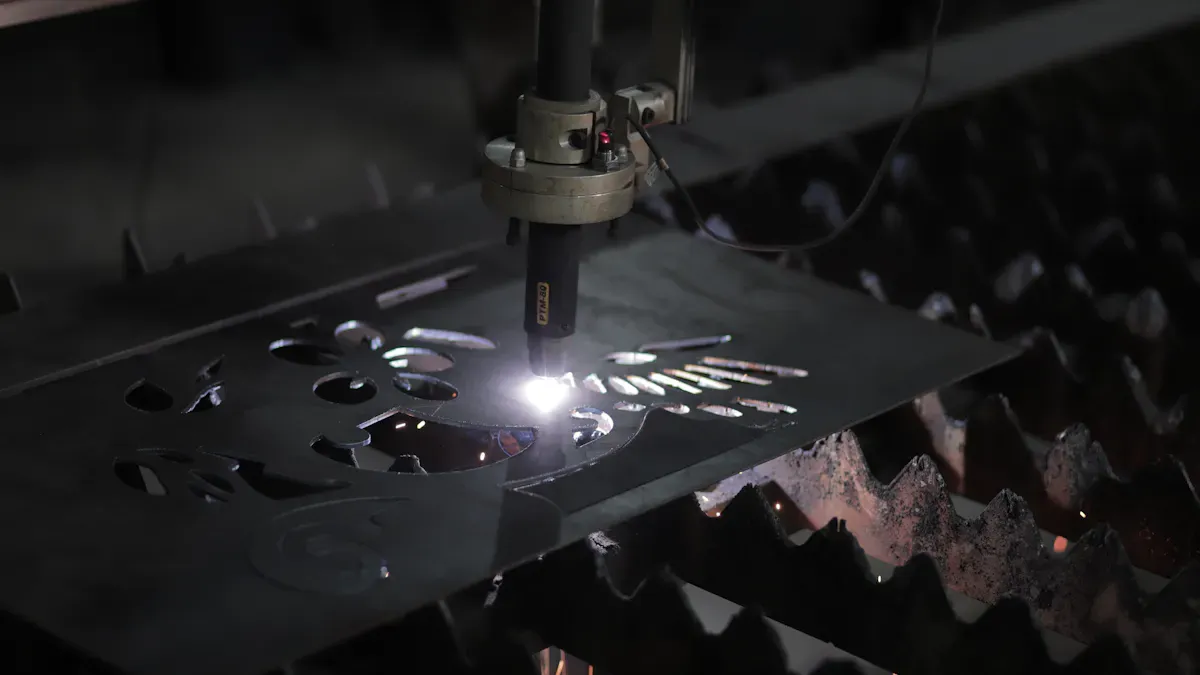
What Are Torch Accessories
Torch accessories are the parts and components that support the operation of a plasma cutting torch. These items include both consumables and non-consumables. Consumables wear out over time and need regular replacement, while non-consumables help maintain the torch’s structure and function. Accessories such as nozzles, electrodes, swirl rings, and shields work together to focus energy, guide the plasma arc, and protect both the torch and the user. Black Wolf’s plasma cutting torches use advanced accessories to deliver precise and efficient cuts in a wide range of metalworking tasks.
Why Accessories Matter
Accessories play a vital role in the performance and safety of any plasma cutting torch. High-quality and compatible accessories ensure that the torch operates at peak efficiency. They help maintain cutting precision and extend the lifespan of the equipment. For example, a well-designed nozzle directs the plasma arc and shielding gas onto the workpiece, which results in clean and accurate cuts. The swirl ring controls the flow of gas, keeping the torch cool and stable. Shields and protective caps reduce wear on other components and protect the operator from sparks and molten metal. Regular replacement of worn consumables keeps the torch working smoothly and prevents unexpected breakdowns.
Tip: Always use accessories that match your torch model. This helps prevent performance issues and keeps users safe.
Types of Accessories
Plasma cutting torch accessories come in many forms, each serving a specific function. Some of the most common types include:
Nozzles: Direct the plasma arc and gas flow for different materials and thicknesses.
Contact tips: Create the arc between the torch and the workpiece.
Swirl rings: Control and swirl the plasma gas for a stable arc.
Shields and protective caps: Guard the torch and operator from sparks and molten metal.
Electrodes: Focus energy for precise cutting and require regular replacement.
Cables and cable assemblies: Carry current and gas to the torch.
Extensions: Provide extra reach for hard-to-access areas.
Cleaning kits: Help maintain the torch for optimal performance.
Welding helmets: Protect the eyes and face during operation.
Each accessory supports the plasma cutting torch in a unique way. For example, the nozzle and electrode work together to focus energy and maintain cutting efficiency. The shield and swirl ring protect the torch and keep the arc stable. Using the right combination of accessories ensures that the torch delivers reliable results and remains safe to use.
Essential Plasma Cutting Torch Consumables
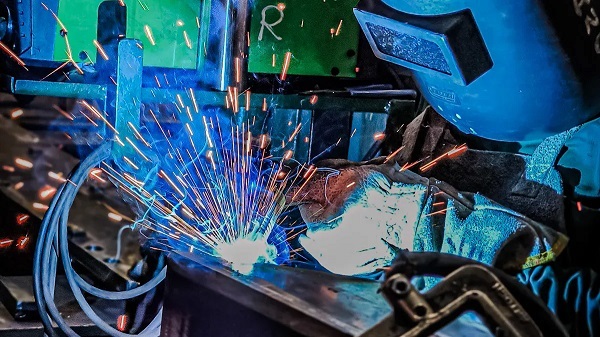
Electrode
Function
The electrode forms the heart of the plasma cutting torch. It conducts electricity and helps create the plasma arc that cuts through metal. Most electrodes use copper for the main body because it conducts electricity well and handles heat efficiently. Manufacturers often add a hafnium or tungsten insert at the tip. These materials have high melting points and last longer under intense heat.
Material | Properties | Use |
|---|---|---|
Copper | Excellent electrical conductivity and heat dissipation | Forms the main body of the electrode, providing a base for high-durability inserts. |
Hafnium | High melting point, excellent durability, and conductivity | Often used as an insert at the electrode tip to enhance performance and lifespan. |
Tungsten | High melting point and good conductivity | Used in some electrodes for its durability under high temperatures. |
A high-quality electrode ensures a stable plasma arc and clean cuts. The choice of material affects how long the electrode lasts and how well the torch performs.
Wear Signs
Electrodes wear out over time, especially during heavy use. Users should look for these signs:
Deep pits or craters at the tip, especially if the pit exceeds 1.6 mm.
Discoloration or rough surfaces.
Difficulty starting the arc or unstable cutting performance.
Replacement
Operators should replace the electrode when the pit at the tip becomes deeper than 1.6 mm. Changing the electrode and nozzle together helps maintain consistent cut quality. If only one part is replaced, the performance may drop due to uneven wear. Regular inspection and timely replacement keep the plasma cutting torch working efficiently.
Tip: Always check the electrode before starting a new job. Early replacement prevents poor cuts and reduces downtime.
Nozzle
Function
The nozzle directs the plasma arc and gas flow toward the workpiece. It shapes the arc and controls the width of the cut. A precise nozzle ensures a narrow, focused arc for clean and accurate results.
Wear Signs
Nozzles experience wear from the intense heat and force of the plasma arc. Common signs of wear include:
Enlarged or oval-shaped holes at the nozzle tip.
Rough or uneven edges.
Visible damage or melting.
As the nozzle wears, the arc becomes wider and less focused. This leads to rougher cuts and more wasted material.
Replacement
Nozzles require frequent replacement, especially in heavy industrial settings. Operators should change the nozzle every 50–100 hours for heavy use, 100–200 hours for moderate use, and 200–300 hours for light use. Replacing the nozzle and electrode at the same time ensures both parts work together for the best results.
Usage Condition | Typical Consumable Replacement Interval |
|---|---|
Heavy Industrial (10+ hrs/day) | Every 50–100 hours |
Moderate Workshop Use (3–6 hrs/day) | Every 100–200 hours |
Light/Intermittent Use (<2 hrs/day) | Every 200–300 hours |
Note: Regular inspection helps catch nozzle wear early. Quick replacement keeps cuts clean and reduces the risk of torch damage.
Swirl Ring
Function
The swirl ring sits between the electrode and the nozzle. It controls the flow of plasma gas and creates a swirling motion. This swirling action stabilizes the plasma arc and improves cutting precision. A well-designed swirl ring helps the torch produce cleaner and more accurate cuts.
The swirl ring regulates plasma gas flow.
It induces a swirling motion for arc stability.
It sits between the electrode and nozzle.
Wear Signs
Swirl rings can develop cracks or show wear patterns after extended use. Signs of a worn swirl ring include:
Cracks or chips in the ring.
Warped or misshapen surfaces.
Reduced cutting accuracy or unstable arc.
Replacement
Operators should inspect the swirl ring regularly and replace it if any damage appears. Even small cracks can affect gas flow and cut quality. Keeping the swirl ring in good condition supports the overall performance of the plasma cutting torch.
Alert: Never ignore swirl ring wear. Damaged rings can lead to poor cuts and may shorten the life of other consumables.
Retaining Cap
Function
The retaining cap holds the consumable parts of a plasma cutting torch in place. It acts as a secure cover that keeps the electrode, nozzle, and swirl ring tightly stacked together. This stability is important for the torch to work safely and efficiently. The retaining cap maintains the integrity of the consumable stackup. By holding these components together, it keeps the cutting process stable and effective. This function directly supports both the safety of the operator and the longevity of the plasma cutting torch.
Wear Signs
A retaining cap can show signs of wear after repeated use. Users may notice cracks, chips, or warping on the cap’s surface. Sometimes, the threads become stripped or damaged, making it hard to screw the cap on or off. If the cap does not fit tightly, the consumables inside may shift during operation. This can lead to unstable arcs or even damage to the torch.
Tip: Always check the retaining cap for visible damage before starting a job. A damaged cap can cause poor performance and increase the risk of accidents.
Replacement
Operators should replace the retaining cap if they see any cracks, chips, or thread damage. Even small flaws can affect the torch’s safety and performance. Regular inspection helps catch problems early. Using a high-quality replacement cap ensures the plasma cutting torch stays reliable and safe for every project.
Shield Cap
Function
The shield cap covers the front of the plasma cutting torch. It acts as a barrier between the high-temperature plasma arc and the outside environment. The shield cap helps contain and direct the plasma arc, which improves cutting accuracy and protects the torch’s internal parts.
The shield cap contains and directs the plasma arc.
It reduces the risk of accidental contact with high-temperature plasma.
It protects both the operator and the equipment.
Wear Signs
A shield cap can wear out from exposure to heat, sparks, and molten metal. Signs of wear include discoloration, burn marks, or visible cracks. Sometimes, the cap may become warped or lose its shape. If the shield cap does not fit properly, it cannot protect the operator or the torch as intended.
Alert: Never use a shield cap with cracks or burns. Damaged shield caps can expose users to hot plasma and increase the risk of injury.
Replacement
Replace the shield cap if it shows any signs of damage, such as cracks, burns, or warping. Always choose a shield cap that matches the plasma cutting torch model. Regular replacement keeps the torch safe and ensures the best cutting results. Proper care and timely replacement of the shield cap help maintain a safe work environment for everyone.
Common Plasma Cutting Torch Accessories
Drag Shields
Drag shields help operators achieve consistent and clean cuts. They serve as a protective barrier between the torch tip and the workpiece. When using a drag shield, the operator can rest the torch directly on the metal. This design keeps the tip at the correct distance from the surface. It prevents the tip from touching the metal, which is important for maintaining cut quality and extending the life of consumables.
Drag shields allow the torch to rest on the workpiece while keeping an optimal distance.
They prevent the tip from touching the metal.
This feature helps maintain cut quality and extends the life of consumables.
Drag shields also make the cutting process easier. They provide stability, especially for beginners or when working on uneven surfaces. Operators can move the torch smoothly along the cut line. This results in straighter cuts and less operator fatigue.
Tip: Regularly check drag shields for signs of wear or damage. Replace them if they become warped or cracked to ensure safe and accurate cutting.
Cutting Guides
Cutting guides improve accuracy and control during plasma cutting. They help users follow straight lines, curves, or circles with precision. Many guides attach directly to the torch or rest on the workpiece. Some guides use wheels or rollers for smooth movement. Others use magnetic bases to stay in place on steel surfaces.
Cutting guides benefit both new and experienced operators. They reduce the chance of mistakes and help create professional-looking results. Using a guide also speeds up the cutting process. Operators spend less time correcting errors or cleaning up rough edges.
Cutting guides help maintain straight or curved cut paths.
They increase precision and reduce the risk of mistakes.
Guides can attach to the torch or workpiece for stability.
Note: Choose a cutting guide that matches the type of cut and material. Proper selection ensures the best results.
Tips and Electrodes
Tips and electrodes are essential consumables for any plasma cutting torch. The tip, also called the nozzle, shapes the plasma arc and controls the width of the cut. The electrode conducts electricity and helps start the arc. Both parts wear out over time and need regular replacement.
Using compatible tips and electrodes is important for safety and performance. Non-compatible or damaged consumables can cause several problems:
Increased risks of electrical hazards.
Difficulty starting or maintaining the arc.
Operators should replace electrodes when the hafnium insert wears down by 1/16 inch. Nozzles should be replaced when the orifice diameter exceeds manufacturer specifications, usually by 0.010 to 0.020 inches of wear. Following these guidelines helps maintain the torch’s performance and keeps users safe.
Alert: Always use tips and electrodes designed for your plasma cutting torch model. This practice prevents accidents and ensures the best possible cut quality.
Identifying Replacement Needs
Visual Inspection
Operators can spot many issues with a simple visual check. Regular inspection helps prevent unexpected failures and keeps the torch running smoothly. The following table lists common visual indicators that suggest a need for replacement:
Indicator Type | Description |
|---|---|
Visible Damage | Cracks, dents, or deformation in the nozzle; chipped or eroded electrode tips. |
Discoloration | Excessive browning or blueing on the electrode indicates overheating. |
Poor Cut Quality | Jagged edges and increased dross suggest worn consumables. |
Reduced Cutting Speed | Longer cutting times indicate potential wear. |
Arc Instability | Flickering or difficulty starting the arc points to worn components. |
Increased Noise | Unusual sounds may indicate internal damage or improper gas flow. |
A careful look at these signs helps users decide when to replace accessories. Early detection saves time and money.
Performance Issues
Performance problems often signal that accessories need attention. When the plasma cutting torch does not work as expected, operators should check for these common issues:
The torch does not fire when the trigger is pulled.
There is increased usage of consumables, indicating potential issues with the torch.
The quality of cuts is poor compared to previous performance.
These problems can slow down work and reduce the quality of finished pieces. Quick action ensures the torch stays reliable and efficient.
Safety Concerns
Safety always comes first in any cutting operation. Using worn or incompatible accessories can lead to poor cutting quality and may even damage the torch itself, which poses significant safety hazards. Damaged parts can cause sparks, overheating, or even electrical faults. Operators should never ignore warning signs. Regular checks and timely replacement of accessories protect both the user and the equipment.
Alert: Always replace damaged or worn accessories to maintain a safe work environment.
Maximizing Accessory Lifespan
Proper Use
Operators can extend the life of plasma cutting torch accessories by following best practices during every job. Proper handling prevents unnecessary damage and keeps consumables in good condition. They should always secure the torch before starting a cut. Sudden movements or dropping the torch can damage the nozzle and electrode. Users should avoid dragging the torch across rough surfaces. This action can wear out the tip and shield cap quickly.
Maintaining the correct distance between the torch and the workpiece is important. Drag shields help keep this distance consistent. Operators should also use the right settings for each material. Too much current or air pressure can cause rapid wear. Regular calibration and alignment of the torch ensure precise and accurate cutting. These steps help maintain cutting quality and prolong the life of accessories.
Tip: Always inspect and replace consumable parts regularly. This habit keeps the plasma cutter working efficiently and prevents unexpected failures.
Maintenance Tips
Routine maintenance plays a key role in the performance and durability of plasma cutting torch consumables. Operators should check for signs of wear before and after each use. They need to look for cracks, discoloration, or rough edges on the nozzle, electrode, and shield cap. Timely replacement of worn parts prevents overheating and protects the torch from damage.
A simple maintenance schedule can help:
Replace consumables every 25 hours or after 200 cuts.
For some models, change parts every 30 hours or 250 cuts.
Schedule regular servicing to keep the torch in top condition.
Regular maintenance also includes cleaning the torch and its accessories. Dust, metal particles, and oil can build up and affect performance. Operators should use a soft brush or compressed air to remove debris. Keeping consumables clean ensures stable arcs and smooth cuts.
Alert: Neglecting maintenance can lead to costly breakdowns and reduce the lifespan of both the torch and its accessories.
Storage Advice
Proper storage protects plasma cutting torch accessories from premature wear and damage. Accessories should stay in a dry, dust-free area. Moisture can cause oxidation, which reduces conductivity and leads to poor performance. Temperature fluctuations create thermal stress and may cause micro-cracks in sensitive parts.
Operators should store accessories in sealed containers or cabinets. This practice keeps out dust and prevents contamination from oil or chemicals. Accessories should stay away from cutting fluids and solvents to avoid chemical damage. The ideal storage temperature ranges from 65°F to 75°F (18°C to 24°C), with humidity below 50%.
A quick checklist for storage:
Keep accessories in sealed, dust-free zones.
Store away from chemicals and cutting fluids.
Maintain a stable temperature and low humidity.
Handle accessories carefully to prevent physical damage.
Note: Good storage habits help maintain the quality and reliability of plasma cutting torch accessories, ensuring they are ready for use when needed.
Quality Replacement Parts
Choosing quality replacement parts makes a big difference in the performance and lifespan of plasma cutting torch accessories. High-quality parts, often called OEM (Original Equipment Manufacturer) parts, match the torch’s design and engineering standards. These parts fit perfectly and work as intended. Generic alternatives may look similar, but they often do not meet the same standards. This difference can affect how well the torch works and how long the accessories last.
A comparison between high-quality and generic parts shows clear advantages:
Aspect | High-Quality Parts (OEM) | Generic Alternatives |
|---|---|---|
Performance | Designed for optimal performance and compatibility | Varies significantly, often lower performance |
Lifespan | Longer lifespan due to adherence to engineering standards | Shorter lifespan, inconsistent quality |
Cost Efficiency | Higher initial cost but lower total cost per cut | Lower initial cost but potentially higher total cost due to frequent replacements |
High-quality replacement parts help maintain the precision and safety of plasma cutting torches. They support stable arcs, clean cuts, and reliable operation. Users who choose these parts experience fewer breakdowns and less downtime. Over time, the longer lifespan of quality parts saves money, even if the initial price is higher.
Generic alternatives may seem like a good deal at first. However, they often wear out faster and can cause problems. Poorly fitting parts may lead to unstable arcs, rough cuts, or even damage to the torch. Frequent replacements increase costs and interrupt work. In some cases, using the wrong part can void the torch’s warranty or create safety risks.
Operators should always check the compatibility of replacement parts with their plasma cutting torch model. Reading the user manual or consulting with a trusted supplier helps ensure the right choice. Reliable brands test their accessories for quality and safety. This testing gives users confidence that the parts will perform as expected.
Tip: Investing in high-quality replacement parts protects both the plasma cutting torch and the operator. It also helps maintain consistent cutting quality and reduces long-term expenses.
Quality matters for every part of the plasma cutting process. By choosing the right accessories, users keep their equipment running smoothly and safely. This approach leads to better results and a longer service life for both the torch and its accessories.
Maintaining Plasma Cutting Torch Performance
Accessory Selection
Choosing the right accessories helps users get the best results from their plasma cutting torch. Each project has unique needs, so operators should match accessories to the job. The following table shows important criteria for selecting accessories:
Criteria | Description |
|---|---|
Project Requirements | Decide if the work will be done by hand or on a table to pick the right tool. |
Cutting Capacity | Select accessories that match the thickness of the metal, aiming for 80% of typical use. |
Cut Quality | Look for parts that give smooth, clean edges to reduce extra work and material waste. |
Reliability | Choose accessories with a strong track record and fewer moving parts to avoid breakdowns. |
Duty Cycle | Higher duty cycles mean the tool can run longer without overheating. |
Ease of Use | Pick user-friendly accessories, especially for beginners or fieldwork. |
Operating Cost | Use parts that help lower plasma consumption and save money over time. |
Operators should always check the compatibility of accessories with their torch model. This step prevents performance issues and keeps the equipment safe.
Troubleshooting
When problems occur, a step-by-step approach helps find and fix issues quickly. Operators can follow these steps:
Inspect consumables and keep a spare kit ready.
Set the machine for the material being cut.
Check gas and coolant flow, and empty moisture traps often.
Confirm a solid ground connection for better cuts.
Assemble the torch correctly for smooth gas and coolant flow.
Use the right consumables for the gas type and amperage.
Clean the torch to prevent contamination.
Check gas pressure and flow against factory settings.
Examine hoses and wires for damage or loose connections.
Clean the spark-gap assembly for proper function.
Replace worn parts to avoid uncontrolled arcing.
Avoid using too much O-ring lubricant.
Keep the correct distance between the torch and the material.
Tip: Regular cleaning and inspection help prevent most common problems and keep the torch working well.
Preventing Damage
Preventive measures protect both the torch and its accessories. Operators should:
Inspect equipment before each use to catch problems early.
Check cables, ground clamps, and consumables every day.
Manage cables to prevent tripping and electrical issues.
Assemble the torch properly for efficient operation.
Replace consumables on schedule to avoid arcing.
Clean the torch to stop dirt from causing trouble.
Use correct cutting techniques, including steady hands and proper grounding.
Keep the right distance between the torch and the workpiece.
Alert: Safe habits and regular checks reduce accidents and extend the life of accessories.
A well-maintained plasma cutting torch delivers reliable performance and helps users achieve clean, accurate cuts every time.
Practical Tips for All Users
Accessory Management
Effective accessory management helps users maintain plasma cutting torch performance and safety. Users should organize consumables and tools in dedicated storage containers. This practice prevents loss and damage. Operators can label each accessory for easy identification. A checklist helps track replacement intervals and ensures timely maintenance.
Accessory Type | Recommended Storage Method | Replacement Interval |
|---|---|---|
Nozzles | Sealed box, dry area | Every 50–200 hours |
Electrodes | Labeled compartment, dust-free | When tip wears down |
Swirl Rings | Separate tray, away from moisture | Inspect monthly |
Shield Caps | Protective case | Replace if damaged |
Operators should keep spare parts on hand. This habit reduces downtime during urgent repairs. Regular inventory checks help avoid shortages. Users benefit from a clean workspace, which lowers the risk of contamination and improves accessory lifespan.
Tip: A well-organized accessory kit saves time and supports consistent plasma cutting quality.
When to Seek Help
Sometimes, plasma cutting torch accessory issues require expert attention. Users should recognize situations where professional help is necessary. Attempting repairs without proper knowledge can cause permanent damage. Timely assistance prevents costly replacements and keeps the equipment safe.
If the issue exceeds the user's expertise level, professional help is advisable.
Complex problems may lead to irreversible machine damage if handled incorrectly.
Early intervention by a specialist can prevent expensive repairs or replacements.
Operators should contact a qualified technician when troubleshooting fails or when safety concerns arise. They should consult manuals or reach out to customer support for guidance. Seeking help ensures the plasma cutting torch accessories remain reliable and safe.
Alert: Never ignore persistent problems. Professional support protects both the user and the equipment.
Staying Updated
Staying informed about plasma cutting torch accessories helps users adapt to new technologies and best practices. Operators should read manuals and follow manufacturer updates. Online forums and industry publications provide valuable tips and troubleshooting advice.
Users can attend workshops or training sessions to improve their skills. They should subscribe to newsletters from trusted sources for updates on accessory innovations. Regular learning helps users optimize performance and maintain safety standards.
Read manuals and follow updates.
Join online communities for shared knowledge.
Attend training sessions for hands-on experience.
Subscribe to industry newsletters for the latest information.
Note: Continuous learning empowers users to make informed decisions and achieve the best results with plasma cutting torch accessories.
Understanding and maintaining plasma cutting torch accessories leads to better results and safer work. Regular inspection and timely replacement offer many long-term benefits:
Improved cutting quality from stable plasma arcs
Extended equipment lifespan through maintenance
Fewer faults by replacing worn parts
Greater efficiency from routine checks
Users should choose high-quality, compatible accessories and seek expert advice or consult manuals for their specific torch models. Proactive care and ongoing learning help every operator achieve the best performance.
FAQ
What are the most important plasma cutting torch accessories?
Operators consider nozzles, electrodes, swirl rings, shield caps, and drag shields essential. These parts help maintain cut quality, safety, and torch performance. Regular inspection and replacement keep the torch working efficiently.
How often should users replace plasma cutting torch consumables?
Replacement depends on usage. Heavy use may require changing nozzles and electrodes every 50–100 hours. Light use allows longer intervals. Operators should inspect parts before each job and replace them when they show wear.
Can operators mix different brands of accessories?
Mixing brands can cause compatibility issues. Users should always select accessories designed for their specific torch model. This practice ensures safety, proper fit, and reliable performance.
What signs show that an accessory needs replacement?
Common signs include visible cracks, discoloration, rough edges, unstable arcs, and poor cut quality. Operators should replace any part that shows these issues to prevent further damage.
How do drag shields improve plasma cutting?
Drag shields keep the torch tip at the correct distance from the workpiece. This feature helps produce cleaner cuts, reduces wear on consumables, and makes the cutting process easier for both beginners and professionals.
Why is regular maintenance important for plasma cutting torch accessories?
Regular maintenance prevents unexpected failures, extends accessory lifespan, and ensures safe operation. Cleaning, inspecting, and replacing worn parts help maintain consistent cut quality.
Where should operators store plasma cutting torch accessories?
Operators should store accessories in a dry, dust-free area. Sealed containers or cabinets protect parts from moisture, dust, and damage. Proper storage keeps accessories ready for use and extends their service life.
What should users do if they experience frequent accessory failures?
Frequent failures may signal incorrect use, poor-quality parts, or improper maintenance. Users should review their procedures, check compatibility, and consult a technician if problems continue.