



Comparing the P80 Torch to Top Plasma Cutting Competitors
 Sep 20, 2026|
 View:
View:Shoppers face a crowded market for plasma cutters today. Does the p80 torch still deserve a spot in the workshop? How does it measure up against rival models? This guide answers those questions with a side-by-side, spec-based comparison. Hobbyists, small-shop professionals, and light-industrial users will find clear guidance here. They will learn which plasma cutting torch fits their needs. The article examines cutting capacity, amperage, duty cycle, and power source compatibility. Readers will also see how consumable quality and safety features affect long-term value. By the end, they can choose a plasma cutting torch with confidence. The right torch depends on material thickness, budget, and workload, not brand hype.
Key Takeaways
The P80 torch cuts mild steel up to 25mm with clean edges.
It offers 60A, 80A, and 100A settings for different metal thicknesses.
The 100A model runs continuously at 60A for long automated jobs.
It uses high-frequency start, so check your machine's compatibility.
Consumables cost less than many premium brands, saving money over time.
The torch works with Panasonic systems and has Black Wolf or Panasonic handle options.
Proper air pressure and clean, dry air extend consumable life.
For steel over one inch thick, an oxy-fuel torch works better.
P80 Torch vs Competitors at a Glance
A clear comparison table helps shoppers see differences at a glance. The table below covers cutting capacity, amperage rating, reliability, power source compatibility, duty cycle, and warranty duration. These six factors drive most buying decisions for a plasma cutting torch.
| Specification | P80 Torch Model | Premium Competitor |
|---|---|---|
| Cutting Capacity (mild steel) | Up to 25mm clean cut | 25mm clean cut |
| Amperage Options | 60A, 80A, 100A | 60A, 80A, 100A |
| Duty Cycle | 60% at 60A, 80A, 100A; 100% at 60A (100A model) | 60–80% typical |
| Start Method | High-Frequency (HF) start | Blowback start |
| Consumable Cost | Low to moderate | Moderate to high |
The numbers appear similar on paper. Real differences emerge in build quality, consumable life, and after-sales support.
Key Specs Compared
Cutting Capacity and Amperage
A plasma cutting torch must match the user's material thickness. The p80 torch handles mild steel up to 25mm with a clean edge[1]. This capacity suits light-industrial and small-shop work. Amperage choices of 60A, 80A, and 100A give flexibility. A 60A setting works for thin gauge metal. A 100A setting supports heavy-duty cutting of thicker plate. Most cutting for hobbyists and small businesses stays under 20mm. Cutting precision improves when users match amperage to the material. Good consumables also enhance cut quality.
Competitor models offer similar capacity. Some premium rivals produce cleaner edges at the same amperage. This performance gain comes from advanced nozzle features. Users should check clean cut ratings, not severance numbers. Severance overstates actual usable capacity.
Air Pressure and Duty Cycle
Air pressure needs range from 3.5 to 5.5 bar for this tool. Most shop compressors supply this range easily. Consistent air pressure maintains stable plasma. Low pressure causes rough cuts and reduces efficiency. High pressure wears consumables faster.
Duty cycle defines continuous runtime. This plasma cutting torch delivers 60% duty at 60A, 80A, and 100A. The 100A version reaches 100% duty at 60A output. This supports extended automated use. A 60% duty cycle equals six minutes of cutting per ten minutes. Rest periods allow internal cooling. This specification suits manual and semi-automated tasks well. Users with high-volume production needs benefit from the 100% duty option.
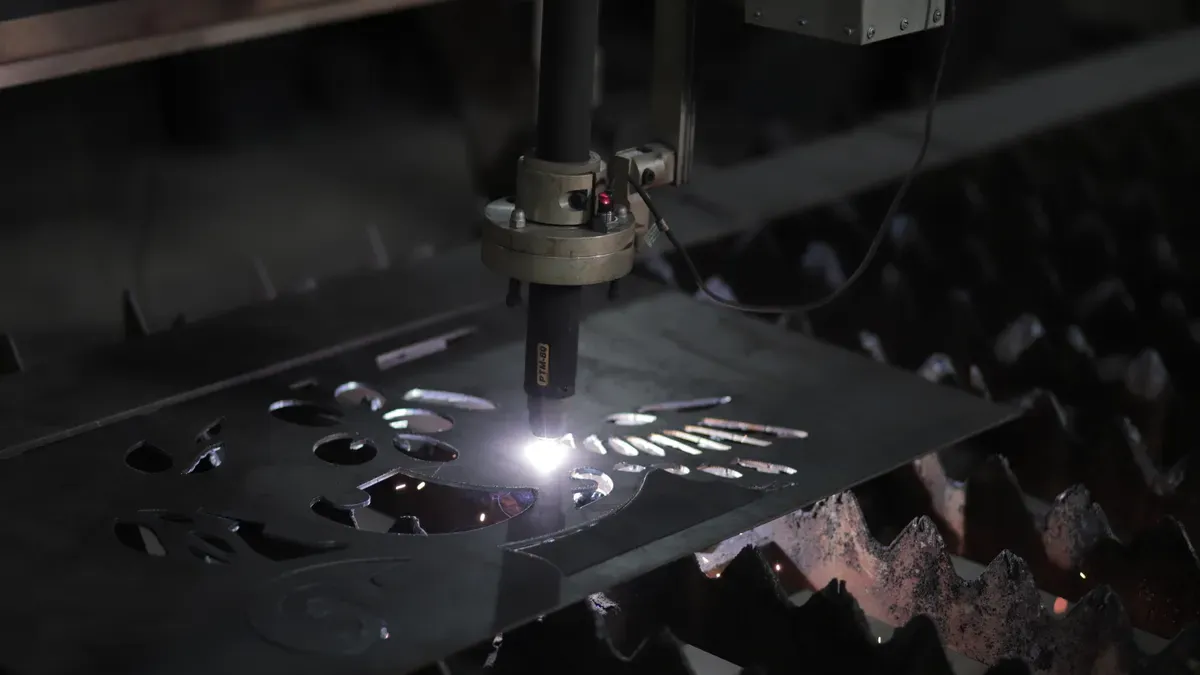
Price Tiers Explained
Plasma cutting torches divide into clear price tiers. Entry-level units cost less upfront. Their consumables wear quickly and reduce cutting precision. Mid-range models like the P80 unit offer better durability. Users get reliable performance without a premium price tag.
Premium competitor models cost more upfront. The higher price covers advanced engineering, better materials, and longer-lasting consumables. These components deliver superior cut quality and longer service intervals. Total cost of ownership depends on consumable replacement frequency. A budget unit with costly consumables may cost more over time than a quality unit with affordable parts.
Warranty length follows the price tier. Budget models carry short warranties. Reputable manufacturers offer longer terms and stronger after-sales support.
Power Source Compatibility
Start method affects which power source works with each model. The P80 uses high-frequency (HF) start. This system sparks reliably across most plasma cutting machine models. Many premium competitor units use blowback start. Blowback avoids radio-frequency interference with sensitive electronics.
Buyers upgrading from a torch must verify compatibility. The machine must support the start method. Some modern units offer both options. Users should check specifications before purchasing.
Consumable quality varies between brands. Generic options cost less but lack consistent reliability. Premium consumables from established brands last longer and provide better cut quality. Users must balance upfront cost against operating expenses. Affordable consumables from a trusted source deliver the best value.
These factors guide buyers toward the right torch. The next section examines actual performance in detail.
P80 Torch Performance Review
The BLACK WOLF BW P-80 hand torch and BW P-80P automated torch represent the P80 platform in real-world use. Both models come in 60A, 80A, and 100A configurations. Each delivers a 60% duty cycle at 60A, 80A, and 100A. The 100A model reaches a 100% duty cycle at 60A output. Air pressure requirements sit between 3.5 and 5.5 bar. A standard 5-meter length gives operators room to move around the worktable. The design carries patent number ZL201133130354.0. These torches work with Panasonic systems. Buyers can choose Black Wolf or Panasonic handle options. BLACK WOLF is not affiliated with PANASONIC, and all parts are manufactured by BLACK WOLF for compatibility.
Design and Build Quality
The BW P-80 series uses an air-cooled design. This approach removes the need for liquid cooling lines and simplifies setup. The hand torch body balances well during long cutting sessions. The automated torch mounts cleanly on CNC tables and track systems. Both versions share the same consumable platform, which keeps spare-part inventories simple.
A pilot arc ignites the plasma before the torch touches the metal. This feature helps on painted or rusty surfaces. The arc starts through a high-frequency signal. Some rival torches use a blowback start instead. Blowback start moves a piston to create the arc and avoids radio-frequency noise. Each method has trade-offs. The P80 approach delivers consistent starts across many machine types.
Build quality shows in the connector, the handle grip, and the torch head. These parts hold up under daily shop use. The 5-meter cable resists abrasion and stays flexible in cold weather. Operators get a tool that feels solid without being heavy.
Cutting Performance and Consumable Life
Cut quality depends on amperage, air pressure, and consumable condition. At 60A, the torch slices thin sheet metal with clean edges. At 80A, it handles mid-range plate work. At 100A, the torch powers through thicker steel. The 100% duty cycle at 60A on the 100A model supports long automated runs without cool-down stops.
Consumables include electrodes, nozzles, shields, and handles. Each part wears at a different rate. The electrode erodes as the arc runs. The nozzle bore widens from heat and molten spatter. Operators should inspect these parts often. A worn electrode forces the machine to work harder. That extra effort reduces cut quality and shortens nozzle life.
Air pressure plays a major role in consumable life. Pressure below 3.5 bar causes rough cuts and double-arcing. Pressure above 5.5 bar wears the nozzle faster. A steady supply in the middle of that range protects the parts and maintains precision. Clean, dry air also extends consumable life. Moisture in the air line leads to poor arc stability.
The torch delivers reliable performance across a range of materials. Mild steel, stainless, and aluminum all cut well with the right settings. Operators who match amperage to thickness get the best results. This plasma cutting torch rewards good technique with smooth edges and minimal dross.
Strengths, Weaknesses, and Use Cases
The P80 torch shines in several areas. Its cutting capacity covers most hobby and small-shop needs. The 60A, 80A, and 100A options give users room to grow. The 100% duty cycle at 60A on the top model suits light production work. Consumables cost less than many premium alternatives. The Panasonic-system compatibility opens the door to a wide range of machines.
The torch also fits heavy-duty applications when users pick the right amperage. A 100A setup cuts thick plate that smaller torches cannot touch. The automated BW P-80P version brings this power to CNC tables. That combination delivers speed and repeatability for production runs.
Some limits exist. The high-frequency start can interfere with nearby electronics. Shops with sensitive equipment should check their setup. The torch also needs a steady air supply. A weak compressor will hold back performance. Users who cut steel over one inch thick should consider an oxy-fuel torch instead. Plasma works best on thinner ferrous metals.
The P80 torch offers strong value for hobbyists, fabricators, and light-industrial users. Its features cover the core needs of most shops. The design supports precision control and long service life. Operators get a dependable tool without paying premium prices. This plasma cutting torch earns its place in the workshop through solid engineering and practical design.
Top Competitor Torches Reviewed
The market splits into three clear tiers. Each tier serves a different buyer with different needs. Understanding these tiers helps shoppers see where the p80 torch fits.
Entry-Level Rivals
Entry-level torches attract hobbyists and weekend warriors. These units cost the least upfront. They typically offer lower amperage ratings and shorter duty cycles. A budget plasma cutting torch may handle thin sheet metal well. Thick plate exposes their limits fast.
Consumable quality drops in this tier. Generic electrodes and nozzles wear quickly. Users replace them often. That cycle raises the real cost of ownership over time. The torch may also lack steady arc stability. Cut edges show more dross and rougher surfaces.
These models suit occasional use. A homeowner cutting car panels or garden art gets by fine. A shop running daily production will outgrow one fast. Buyers should weigh the low price against frequent downtime. A dependable plasma cutting torch needs more than a cheap sticker.
Mid-Range Rivals
Mid-range torches target small shops and serious fabricators. They balance price against performance and reliability. Amperage options expand to cover thicker material. Duty cycles improve, which supports longer cutting sessions. The p80 torch competes well in this tier.
Consumable life improves at this level. Better materials in the electrode and nozzle resist wear. Users get more cuts per part change. That boost in efficiency lowers operating costs. Cut quality also rises. Edges come out cleaner with less cleanup work.
Power source compatibility matters here. Some mid-range torches use blowback start. Others rely on high-frequency start. Buyers must match the torch to their machine. Consumable availability also shapes the decision. A torch with scarce parts becomes a paperweight. Shoppers should confirm a steady supply of electrodes, nozzles, and shields before buying.
High-End and Industrial Rivals
Industrial torches deliver maximum power and endurance. These units target heavy-duty applications in production environments. A top-tier machine like the Hypertherm Powermax125 runs a 100% duty cycle at 125 A. It pierces 25 mm (1 inch) in mechanized mode. It cuts 38 mm (1-1/2 inches) as a recommended machine thickness. Maximum machine thickness reaches 44 mm (1-3/4 inches).
| Specification | Value |
|---|---|
| Duty cycle | 100% @ 125 A |
| Mechanized pierce capability | 25 mm (1 inch) |
| Recommended machine cutting thickness | 38 mm (1-1/2 inches) |
| Maximum machine thickness | 44 mm (1-3/4 inches) |
These figures show what premium money buys. Continuous operation without cool-down stops. Deep pierce capacity for thick plate. Long consumable life under constant load. Big-brand consumables often deliver the best value for performance and life despite a higher upfront cost. That quality supports precision and durability in demanding shops.
Buyers should note one limit. For cutting mild steel over one inch thick, an oxy-fuel torch is generally the better choice. A plasma torch like the P80 is ideal for thinner ferrous metals. It offers speed, safety, and versatility across a wide range of tasks. Industrial buyers pay for capacity they will actually use. A shop cutting 10 mm plate daily does not need a 125 A monster. Matching the torch to real workload saves money and floor space.
Plasma Cutting Torch Features That Matter
Industry experts evaluate every plasma cutting torch against a consistent framework[2]. These criteria separate a tool that delivers reliable performance from one that causes constant problems. Understanding them helps buyers choose wisely.
Performance Criteria Checklist
The table below summarizes the core criteria experts prioritize.
| Performance Criterion | Why It Matters |
|---|---|
| Cutting Capacity | Defines the maximum metal thickness the torch handles, including recommended and severance cut capacities. |
| Reliability & Durability | Industrial-grade components and sturdy construction ensure long service life. |
| Amperage & Duty Cycle | Amperage controls cutting thickness; duty cycle shows how long the torch runs before cooling down. |
| Arc Stability | A stable arc reduces burrs and improves cutting precision. |
| Consumable Life | Longer-lasting consumables lower replacement frequency and operating costs. |
| Cooling Systems | Air-cooled and liquid-cooled designs affect efficiency and suitability for different tasks. |
| Safety Features | Insulated handles, trigger locks, and ergonomic designs reduce accidents and operator fatigue. |
Each criterion directly affects daily work. Cutting capacity determines whether a torch handles the job. Amperage and duty cycle define work pace and runtime. Arc stability controls cut quality. Consumable life drives ongoing expenses. Cooling systems maintain the torch during heavy-duty use. Safety features protect the operator.
HF/LF dual-frequency ignition technology enhances arc stability, reducing metal burrs and improving cutting precision. Patented zirconia ceramic nozzles extend consumable life, lowering operational costs for frequent plasma users. The JG-100 air-cooling system optimizes energy consumption, making these torches more efficient and environmentally friendly.
Advanced features like dual-frequency ignition deliver real benefits. Better arc stability means cleaner cuts with less cleanup. Longer consumable life reduces replacement costs. Efficient cooling supports extended cutting sessions.
Ergonomics and Consumable Availability
A torch's ergonomics directly affect operator productivity. A comfortable handle reduces fatigue during long shifts. Well-placed trigger controls improve precision and control. The P80 series offers both Black Wolf and Panasonic handle options. Users choose the grip that feels best. Customizable colors and styles let shops match their equipment.
Consumable availability matters equally. A great torch becomes useless when electrodes or nozzles run out. The P80 platform uses widely available consumables. Shops stock electrodes, nozzles, shields, and handles without special orders. This availability supports reliable performance and reduces downtime. Operators spend more time cutting and less time searching for parts.
Cost of Ownership
Total cost of ownership extends beyond the purchase price. Consumable replacement frequency drives ongoing expenses. A torch with longer-lasting consumables costs less over time. The P80 torch offers affordable consumables without compromising quality. Patented zirconia ceramic nozzles extend consumable life. That improvement reduces operational costs for frequent users.
Duty cycle also affects ownership costs. A higher duty cycle means more cutting time per hour. The P80 torch delivers a 60% duty cycle at 60A, 80A, and 100A. The 100A model reaches 100% duty at 60A output. This efficiency translates into more work per shift. Operators get better value from their investment.
Manufacturer support adds another layer of value. A reputable torch manufacturer provides reliable after-sales support. Golden Globe (BLACK WOLF) offers quality torches with strong customer service. Buyers who choose a trusted manufacturer receive help when needed. That support protects their investment and keeps them productive.
Each feature discussed here affects everyday work. A torch that combines strong performance, good ergonomics, available consumables, and low ownership costs delivers the best value. Buyers should evaluate each factor carefully before purchasing.
Choosing the Right Plasma Cutting Torch
Matching a plasma cutting torch to actual workload saves money. Plasma cutters offer faster cutting and better safety than oxy-fuel alternatives for most jobs. The right choice depends on material thickness, duty cycle, and budget. Buyers who match their plasma cutting torch to their needs get better results.
Best for Hobbyists and DIY
Hobbyists need a torch that handles thin metal without high cost. Most DIY work involves steel up to 1/4 inch thick. A 30-amp plasma cutting torch delivers a quality cut on this material. A 20-amp setting provides only a severance cut. A shielded 45-amp process cuts 1/4-inch steel at 48 inches per minute. This cutting speed keeps projects moving.
Light-duty plasma cutters in the 30 to 40-amp range work well for hobby use. These machines cut cleanly up to 10 millimeters of mild steel. A duty cycle of 35 to 40 percent supports occasional cutting. Single-phase power works with standard home outlets. This convenience eliminates expensive electrical upgrades. The features and precision of these units suit light fabrication work.
Budget matters for hobby buyers. Entry-level systems cost under one thousand dollars. Buyers should check consumable costs before purchase. Longer-lasting electrodes and nozzles reduce operating expenses. Ease of use also helps beginners. Clear displays and simple controls allow quick learning. Good plasma cutting performance comes from matching the unit to the job. A quality torch supports consistent arcs and clean edges.
Best for Professional Fabricators
Professional fabricators need reliable performance every day. These shops cut more material types and thicknesses. Medium-duty plasma cutters in the 40 to 80-amp range handle 10 to 32 millimeters of steel. This capacity covers most fabrication work.
The P80 plasma cutting torch fits this tier well. Its 60-amp, 80-amp, and 100-amp options give fabricators flexibility. A 60 percent duty cycle supports extended cutting sessions. The 100 percent duty cycle at 60 amps on the 100-amp model allows continuous operation. This efficiency boosts daily productivity. The features in this tier support high precision and consistent results.
Durability matters for professional use. The torch must withstand daily shop conditions. The P80 series offers solid build quality and reliable performance. Its Panasonic-system compatibility works with many power sources. Consumable availability keeps downtime low. Fabricators stock electrodes and nozzles easily. Total cost of ownership stays manageable. Cutting reliability comes from good torch design.
Budget for this tier ranges from two thousand to five thousand dollars. Professionals who prioritize precision benefit from this range. It delivers the capacity needed for medium work.
Best for Industrial Cutting
Industrial environments demand maximum cutting capacity and durability. Heavy-duty plasma cutters in the 80 to 200-amp range cut 25 to 50 millimeters of steel. Systems over 200 amps handle thick plate work. These machines cost ten thousand dollars and up. Cutting performance at this level must be consistent.
Cutting capacity becomes the primary factor in this tier. Shops cutting thick steel daily need consistent performance. The 100-amp P80 torch handles heavy-duty applications well. Its duty cycle supports demanding workloads. The automated BW P-80P version mounts on CNC tables for production runs. Safety features like insulated handles protect operators.
Reliability and durability are critical here. A plasma cutting torch with robust construction withstands constant use. Quality consumables maintain cut precision. Patented zirconia ceramic nozzles extend consumable life. That reduces replacement frequency. Customer support from the manufacturer helps maintain uptime.
Industrial buyers should note one limit. For steel over one inch thick, oxy-fuel torches work better. Plasma excels on thinner ferrous metals. Plasma offers speed and versatility across most cutting tasks. Buyers who choose the right plasma cutting torch gain a dependable tool. Golden Globe (BLACK WOLF) manufactures P80 torches with strong after-sales support. That support protects the investment.
Maintenance, Safety, and Long-Term Value
Proper upkeep protects both the operator and the equipment. A plasma cutting torch rewards consistent care with longer service life and steady output. Neglect leads to poor cut quality, frequent breakdowns, and safety risks. This section covers the habits that keep a torch running well for years.
Consumable Care Tips
Consumables wear out over time, but poor habits speed up that process. Operators should inspect the nozzle, electrode, and shield cap before each session. Slag buildup on the nozzle causes misfiring and premature wear. A worn electrode weakens the pilot arc and reduces cutting precision.
Common causes of early consumable failure include:
Dragging the torch nozzle on the workpiece, which damages the shield cap and overheats the nozzle
Slow travel speed, which overheats consumables and causes premature wear
Incorrect amperage that does not match material type and thickness
Contaminated air supply with moisture, oil, or particulates
Improper torch height that causes misfires or molten metal splash
Air pressure checks matter just as much. Pressure more than 5 psi above the prescribed setting causes significantly faster electrode wear. Pressure more than 5 psi below it can rapidly make the nozzle orifice out of round. Operators should verify pressure before every shift. Clean, dry air extends consumable life and maintains arc stability.
Safe Operation Essentials
High-frequency start systems require extra caution[3]. The HF arc starting circuit produces radio frequency emissions within a 15-foot radius. Operators should maintain at least 24 inches distance from individuals with pacemakers and post warning signs. This simple step protects coworkers with implanted medical devices.
Daily pre-operation inspections prevent accidents[4]. Operators should examine cables for cuts or abrasions, verify the ground clamp connection is secure, check torch consumables for wear, and test emergency shutdown functionality. Proper cable management keeps the workspace safe. Never operate in wet conditions. Keep cables away from sharp edges and use protective covers over walkways. The ground clamp must attach to clean bare metal near the cutting area.
Open-circuit voltages can reach up to 400V DC. Equipment must be properly grounded at all times. Damaged cables pose a serious shock hazard and require immediate replacement. Operators should know emergency shutdown procedures: release the torch trigger, disconnect power at the main circuit breaker, and alert nearby workers.
Long-Term Value Over Time
A well-maintained plasma cutting torch delivers reliable performance for years. Consumable replacement intervals depend on usage intensity and material thickness. Shops that track electrode and nozzle wear replace parts at the right time. This practice avoids downtime and maintains cut quality.
Long-term value comes from several factors. Durable construction reduces repair frequency. Available consumables keep operating costs predictable. A torch with strong reliability and good support protects the initial investment. Operators who follow maintenance schedules and safety rules get the most from their equipment. That discipline pays off in consistent results and fewer interruptions.
The P80 torch delivers strong cutting performance with valuable features. Premium torch models justify their higher price with advanced engineering and longer-lasting consumables. Shoppers should match their plasma cutting torch to material thickness and budget. A dependable torch also needs reliable manufacturer support. Golden Globe produces quality P80 torches with comprehensive after-sales service, delivering cutting efficiency and torch safety. Choose a plasma torch with the right features for your workload, and it will provide consistent cutting precision and quality.
Find the Right Plasma Cutting Torch for Your Shop
Golden Globe (BLACK WOLF) manufactures P80 plasma cutting torches in hand and automated versions, with 60A, 80A, and 100A configurations plus after-sales support.
Explore Our Torch RangeSend Us an InquiryFAQ
What materials can the P80 torch cut?
The P80 torch handles mild steel, stainless, and aluminum. It delivers clean cuts on mild steel up to 25mm thick. For steel over one inch thick, an oxy-fuel torch works better. This plasma cutting tool excels on thinner ferrous metals.
Which amperage setting should a user choose?
Users match amperage to material thickness. A 60A setting works for thin gauge metal. An 80A setting handles mid-range plate. A 100A setting powers through thicker steel. This plasma torch offers all three options for flexible cutting.
Does the P80 torch work with any plasma cutter?
No. The P80 uses high-frequency start. Buyers must verify their power source supports this method. Many machines accept HF start. Some premium competitors use blowback start instead. Always check compatibility before buying a torch.
What air pressure does the P80 torch need?
The torch requires 3.5 to 5.5 bar of air pressure. Most shop compressors supply this range easily. Pressure below 3.5 bar causes rough cuts. Pressure above 5.5 bar wears consumables faster. Clean, dry air extends consumable life.
How long can the P80 torch run continuously?
The torch delivers a 60% duty cycle at 60A, 80A, and 100A. The 100A model reaches 100% duty at 60A output. A 60% duty cycle means six minutes of cutting per ten minutes. This plasma torch supports extended automated runs at lower amperage.
What consumables does the P80 torch use?
The torch uses electrodes, nozzles, shields, and handles. These parts wear at different rates. Operators should inspect them often. Worn parts reduce cut quality and precision. The P80 platform uses widely available consumables, which keeps downtime low.
Is the P80 torch compatible with Panasonic systems?
Yes. The P80 torch works with Panasonic systems. Buyers can choose Black Wolf or Panasonic handle options. BLACK WOLF is not affiliated with PANASONIC. All parts are manufactured by BLACK WOLF for compatibility. This design supports reliable plasma cutting performance.
Where can buyers find a dependable P80 torch?
Shoppers should look for a reputable P80 torch manufacturer. Golden Globe (BLACK WOLF) is a trusted option worth considering. The company offers quality torches with strong after-sales support. Their BW P-80 and BW P-80P models deliver precision and durability for hobbyists and professionals alike.
References
American Welding Society — WHC2.13 Plasma Arc Cutting, Welding Handbook, 9th Edition. https://pubs.aws.org/p/930/whc213-plasma-arc-cutting
TWI — What is Welding? Process definitions and classifications. https://www.twi-global.com/technical-knowledge/faqs/what-is-welding
American Welding Society — AWS/ANSI Z49.1, Safety in Welding, Cutting, and Allied Processes. https://www.aws.org/standards-and-publications/free-resources/
OSHA — 29 CFR 1910.252, Welding, Cutting, and Brazing General Requirements. https://www.osha.gov/laws-regs/regulations/standardnumber/1910/1910.252