



What the nozzle insulator provides to the plasma torch
 Jul 20, 2026|
 View:701
The nozzle insulator plays a vital role in plasma torch performance. It provides electrical insulation to prevent dangerous shorts, shields components from extreme heat, and maintains the correct gap for stable arcs. This part also aligns the gas stream for accurate cuts. Choosing a quality nozzle insulator ensures optimal safety and consistent results in every cutting operation.
Key Takeaways
The nozzle insulator prevents electrical shorts, ensuring safe operation of the plasma torch.
Proper gap spacing is crucial for stable arc formation and clean cuts.
A quality nozzle insulator directs the gas stream, leading to more precise and efficient cutting.
Heat resistance protects the torch from extreme temperatures, extending its lifespan.
Regular inspection helps catch wear and damage early, preventing costly repairs.
Choosing certified suppliers ensures high quality and reliable performance.
Premium materials like copper and ceramic enhance durability and cutting quality.
Timely replacement keeps the plasma torch running smoothly and safely.
Nozzle Insulator Function
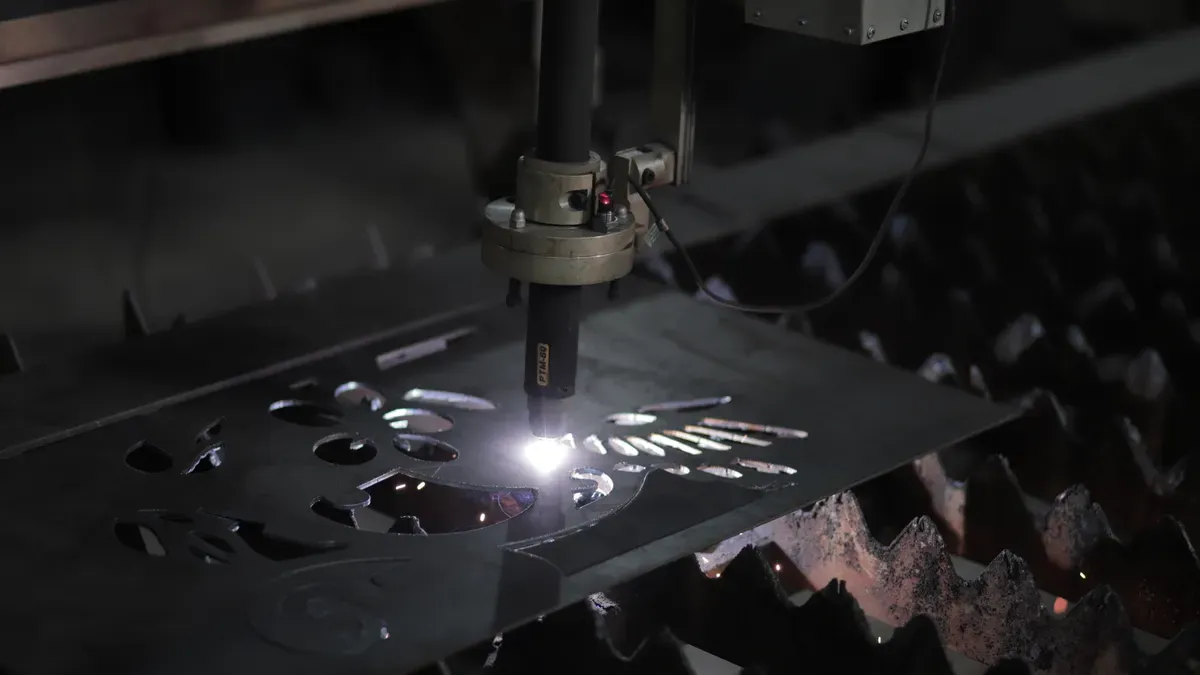
Electrical Insulation
The nozzle insulator acts as a barrier between electrical components inside the plasma torch. This barrier is essential for safe and reliable operation. A plasma torch operates at high voltages — sometimes exceeding 10,000 volts. The insulator separates different electrical potentials within the torch, preventing short circuits that could damage equipment or pose safety hazards.
According to a US patent on plasma arc nozzle assemblies, adding a ceramic electrical insulator between the nozzle and the workpiece is the most established method for preventing double arcing, where a secondary arc forms and drastically shortens nozzle life. Common insulation materials include:
Aluminum oxide (Al₂O₃): High resistivity, strong dielectric properties, cost-effective.
Yttria-stabilized zirconia (YSZ): Maintains insulation even at high temperatures.
Engineering-grade resin / PEEK polymer: Withstands heat and resists wear; lower cost than ceramics but requires heat-resistant coatings for oxygen-plasma applications.
Gap Spacing
Proper gap spacing is another key function. The nozzle insulator holds components at a precise distance, allowing the plasma arc to form and move as designed. If the gap is too small or too large, the torch may cut unevenly or fail to start.
| Gap Width | Pore Rate (%) | Effect on Blowholes |
|---|---|---|
| Normal | Decreased | Reduced formation |
| Increased | No effect | Not applicable |
A stable arc depends on this precise spacing. The nozzle insulator supports this by holding all parts in the correct position, delivering smoother cuts and reduced torch wear.
Gas Stream Alignment
By shaping the gas flow path, the nozzle insulator constricts the plasma stream, increasing energy density at the cutting point. This focused flow enables cleaner edges, less material waste, and more precise results — even on complex shapes.
Thermal Protection
Heat Resistance
During plasma cutting, the arc generates temperatures reaching several thousand degrees. The nozzle insulator — made from materials like tungsten or high-grade ceramics — absorbs and deflects this heat, managing heat flux and reducing anode erosion. The right nozzle insulator keeps the nozzle cool and helps prevent thermal damage, even during demanding cutting jobs.
| Material | Melting Point (°F) | Durability Rating |
|---|---|---|
| Tungsten | 6,192 | Excellent |
| Copper | 1,984 | Good |
| Ceramic | 3,000+ | Very Good |
Extended heat resistance slows component wear, reducing maintenance costs and keeping cut quality consistent over longer service intervals.
Overheating Prevention
The nozzle insulator acts as a thermal shield for the entire torch assembly. Several conditions can cause overheating, including poor coolant quality in water-cooled torches, contaminated compressed air, and slow torch movement that concentrates heat in the cutting area. As detailed in ESAB's plasma cutting machine maintenance guide, checking coolant quality and gas purity regularly is essential to protecting consumables. A well-designed nozzle insulator helps manage these risks by maintaining proper heat distribution.
Torch Performance
Arc Stability
The nozzle insulator holds the nozzle and electrode in the correct position, preventing the arc from wandering or splitting. A focused, stable arc is the foundation of straight, even cuts and reduced dross formation.
| Defect Type | Possible Cause | Solution |
|---|---|---|
| Rough Edges | Unstable arc | Inspect nozzle insulator |
| Excess Dross | Poor gas alignment | Replace worn insulator |
| Uneven Lines | Incorrect gap spacing | Check insulator positioning |
Cutting Quality
By guiding the plasma stream and keeping the arc narrow, the nozzle insulator enables clean, sharp cuts with minimal grinding or sanding needed afterward. It also keeps plasma flow tight, minimizing spatter — resulting in a safer workspace and better-looking finished cuts. For a thorough overview of how each consumable contributes to cut quality, the plasma cutter consumables guide from Westermans provides practical, brand-neutral reference.
Efficiency and Reliability Benefits
Optimized Gas Flow and Reduced Downtime
A nozzle insulator helps direct plasma gas in a straight, focused path, preventing turbulence that would cause the arc to wander or lose strength. This efficiency means faster, more accurate cuts and less energy waste. A reliable nozzle insulator also keeps the torch running longer between maintenance checks:
| Cause of Downtime | Impact on Work | Solution |
|---|---|---|
| Worn insulator | Frequent stoppages | Replace as needed |
| Poor gas alignment | Inconsistent cuts | Inspect insulator shape |
| Overheating | Equipment failure | Use heat-resistant parts |
Extended Tool Life
By blocking heat and electrical currents from reaching the nozzle and electrode, the insulator slows wear on every surrounding component. Benefits of extended tool life include lower maintenance costs, fewer emergency repairs, and consistent cutting quality. Premium insulators made from copper and ceramic outlast generic alternatives, delivering cleaner cuts and reducing metal waste.
| Benefit | Description |
|---|---|
| Superior Cut Quality | Produces clean, dross-free cuts on mild steel up to 20 mm (3/4") |
| Reduced Secondary Processing | High-quality cuts move directly to welding, painting, or assembly |
| Versatile Material Capability | Achieves excellent results on stainless steel and aluminum |
Signs of Wear
Common Symptoms
A worn nozzle insulator typically shows up in two ways before it causes serious damage:
Irregular arc: Flickering, jumping, or difficulty maintaining a straight cut are signs the insulator is no longer holding components in the correct position.
Visible damage: Cracks, chips, or discoloration after extended use or high-temperature exposure weaken the insulator's protective ability.
| Symptom | Possible Cause | Action Needed |
|---|---|---|
| Cracks | Overheating, impact | Replace insulator |
| Chips | Mechanical stress | Inspect for damage |
| Discoloration | Heat exposure | Monitor performance |
Performance and Safety Impact
A damaged insulator cannot provide proper electrical insulation, increasing the risk of short circuits and unexpected shutdowns. Reduced insulation also exposes operators to electrical shocks and fire risks.
| Impact | Result |
|---|---|
| Reduced insulation | Higher shock risk |
| Poor arc stability | Increased accident likelihood |
| Overheating | Fire hazard |
Maintenance Tips
Inspection Schedule
Set a routine to inspect the nozzle insulator before each shift or after a set number of cutting hours. Keep the compressed air supply clean, dry, and oil-free — moisture separators and filters extend nozzle insulator life significantly. During each inspection:
Look closely for cracks, chips, or discoloration.
Confirm the insulator fits snugly and holds all components in correct position.
Replace immediately if any defect is found — even minor cracks can cause arc instability or shorts.
Replacement Procedure
When replacing, turn off and unplug the torch and allow it to cool completely. Remove the old insulator carefully to avoid damaging the nozzle or electrode. Always use genuine consumables from a trusted supplier to maintain performance and avoid compatibility issues. After fitting the new insulator, confirm all connections are secure before powering up.
When evaluating nozzle insulators for procurement, apply these quality criteria:
| Criteria | Description |
|---|---|
| Thermal-structural properties | Withstands high temperatures while maintaining structural integrity under stress |
| Erosion / char performance | Resists erosion and char during high-temperature operations |
| Certification testing | Passes comprehensive qualification tests before use in actual applications |
| Aging performance | Maintains performance over time, even after extended use |
Material Selection and Supplier Quality
Copper and Ceramic: Why Material Choice Matters
Material selection directly determines performance and lifespan. Copper nozzle insulators excel in high-amperage applications and handle long cutting sessions without losing shape. Ceramic insulators resist heat and erosion, making them ideal for tough jobs. Both materials keep the plasma arc stable and focused. Premium insulators made from these materials outlast generic alternatives and reduce the frequency of replacements.
Choosing a Certified Supplier
Certified suppliers follow strict quality standards — CE and ISO certifications indicate a commitment to safety and quality management at every step. The industry guidance on genuine consumables is clear: non-genuine or off-specification parts wear faster, can void machine warranties, and put extra strain on surrounding components.
Factory-direct pricing removes extra costs from middlemen, enabling faster shipping and better technical support. Changzhou Golden Globe Welding And Cutting Equipment Co., Ltd. provides nozzle insulators compatible with leading plasma torch brands, backed by factory-direct pricing and certified production standards.
Looking for Reliable Plasma Torch Consumables?
Golden Globe manufactures high-quality nozzle insulators, plasma cutting torches, and compatible consumables — factory-direct, with fast global shipping and full compatibility with leading torch brands.
Send an Inquiry →Frequently Asked Questions
What does a nozzle insulator do in a plasma torch?
It separates electrical parts, blocks heat, and keeps the gas stream focused — enabling safe and clean metal cutting.
How often should I replace the nozzle insulator?
Inspect after every 40 hours of use or immediately if you notice cracks, discoloration, or arc instability. Replace right away if any damage is found.
Can I use any nozzle insulator with my plasma torch?
No. Always use an insulator designed for your specific torch model to ensure proper fit, safe operation, and best cutting results.
What are signs of a worn nozzle insulator?
Look for visible cracks, chips, or discoloration. You may also notice an irregular arc, poor cut quality, or unexpected torch shutdowns.
Why is material choice important for a nozzle insulator?
Materials like copper and ceramic resist heat and wear, helping the insulator last longer and keeping the plasma arc stable.
Does a damaged nozzle insulator affect safety?
Yes. A damaged insulator can cause electrical shorts, overheating, or shocks. Always replace worn parts promptly.
How do I install a new nozzle insulator?
Turn off and unplug the torch, let it cool, remove the old insulator carefully, then align and secure the new one before restarting.
Can a quality nozzle insulator improve cut quality?
Yes. A high-quality insulator keeps the arc focused and gas flow steady, leading to cleaner cuts and less spatter.
[1] US Patent US5308949A — "Nozzle assembly for plasma arc cutting torch." Google Patents. https://patents.google.com/patent/US5308949A/en
[2] ESAB University. "Maintenance of Plasma Cutting Machine: A Step-By-Step Guide." ESAB. https://esab.com/us/nam_en/esab-university/blogs/maintenance-of-plasma-cutting-machine-a-step-by-step-guide/
[3] Westermans International. "Plasma Cutter Consumables Guide: Maintenance & Replacement." (2026). https://www.westermans.com/knowledgehub/plasma-cutter-consumables-guide.aspx
[4] FSM Direct. "Plasma Maintenance: Improving Air Plasma Torch Consumable Parts Performance." https://fsmdirect.com/plasma-maintenance-improving-air-plasma-torch-consumable-parts-performance/