



Keep Your Water Cooled Plasma Torch Running Smoothly
 Jun 09, 2026|
 View:579
Regular maintenance keeps a water cooled plasma torch operating at peak efficiency. Skilled operators know that plasma cutting relies on stable water flow and proper torch care. Golden Globe's With High Frequency Liquid Cooled torch uses advanced plasma technology, providing precision and durability. Neglecting plasma torch upkeep can lead to overheating, damaged water lines, or poor cut quality.
Failure to maintain a water cooled plasma torch may result in costly repairs or inconsistent performance.
Plasma systems demand attention to water coolant, torch head, and consumables. Reliable plasma equipment, such as Golden Globe's water cooled plasma torch, ensures consistent results and longer torch lifespan.
Regular maintenance is essential for optimal performance of a water cooled plasma torch.
Neglecting upkeep can lead to overheating, poor cut quality, and costly repairs.
Routine checks on coolant levels, filters, and consumables extend the life of the torch.
Using high-quality, manufacturer-approved parts ensures reliability and safety.
Inspect hoses and connections regularly to prevent leaks and maintain coolant flow.
A structured maintenance schedule helps avoid unexpected breakdowns and keeps projects on track.
Training operators on maintenance practices enhances safety and efficiency.
Documenting maintenance activities aids in tracking performance and identifying recurring issues.
Why Water Cooled Plasma Torch Maintenance Matters
Risks of Neglect
Neglecting maintenance on a water cooled plasma torch can lead to serious problems. Operators often see reduced cut quality and increased downtime when they ignore regular care. The most common risks include:
Nozzle and electrode wear, causing inconsistent arcs and poor performance.1
Higher chances of overheating, especially during high-amperage operations.
Increased risk of coolant leaks or blockages in the cooling system.
Voided warranties if the torch operates without proper water cooling or without an external filter.
Unplanned shutdowns due to damaged components or clogged filters.
A lack of attention to the cooling system can also result in costly repairs. Over time, metal dust and debris can build up inside the torch, damaging sensitive parts — leading to expensive replacements and lost productivity.
Benefits of Regular Maintenance
Routine maintenance extends the life of both the torch and its consumables. Operators who clean the torch after each use remove spatter and debris that can cause premature wear. Key benefits include:
Longer consumable life, reducing the need for frequent replacements.
Consistent cut quality, even during long production runs.
Fewer unexpected breakdowns, which keeps projects on schedule.
Improved safety, as well-maintained equipment is less likely to fail.
Warranty protection through proper use of the cooling system.2
A simple maintenance routine involves checking O-rings and seals weekly, cleaning air filters monthly, and inspecting coolant levels before each use. Operators should also tighten electrical connections and use the correct consumables for their specific torch model.
How Cooling Systems Work
The cooling system in a water cooled plasma torch plays a critical role in preventing overheating. It consists of the torch, motor, pump, cooling lines, flow switch, filter, heat exchanger, and reservoir. The system works by circulating water through channels inside the electrodes — absorbing heat at the arc contact points and carrying it away from the torch head.3
The cooling system operates through three main processes:
Radiation: Energy from the plasma arc radiates as ultraviolet rays.
Convection: Moving gas or air helps carry heat away from the torch.
Conduction: Cooling water conducts heat away from critical torch parts.
Proper cooling ensures the torch can handle high currents — often between 100 and 150 amps — without overheating, allowing for continuous operation and high-quality cuts even on thick materials.
Key Components of the Cooling System
Torch Head and Consumables
Main Body
The torch head forms the foundation of the plasma torch. It aligns the consumable stack and delivers gas to the cutting zone. The main body houses critical parts such as the water tube, swirl ring, and retaining caps.
| Component | Role |
|---|---|
| Torch Body | Provides alignment and gas delivery for the consumable stack. |
| Water Tube | Essential for cooling electrodes; must be checked regularly. |
| Swirl Ring | Centers and constricts the cutting arc for faster speeds. |
| Inner Retaining Cap | Holds nozzle and swirl ring; directs coolant flow. |
| Outer Retaining Cap | Secures shield; directs secondary gas to shield. |
Electrodes and Nozzles
Electrodes and nozzles are consumables that directly impact cut quality and arc stability. The electrode conducts power to the plasma arc, while the nozzle shapes and directs the arc for precise cuts.
Consumable condition affects cut quality and arc stability.
Timely replacement prevents edge bevel and bottom dross build-up.
Regular cleaning removes metal dust and spatter.
Inspect spark-gap assembly to avoid misfires.4
Coolant Pump
The coolant pump circulates water through the torch head and consumables. Operators must check the pump for leaks, unusual noises, or reduced flow. A malfunctioning pump can cause rapid temperature rise and damage sensitive components.
Tip: Monitor coolant flow rate regularly. Low flow may indicate blockages or pump wear.
Coolant and Reservoir
Coolant quality and reservoir condition determine cooling system reliability. Operators should use recommended coolants to prevent corrosion and maintain efficiency.5
| Coolant Type | Description | Applications |
|---|---|---|
| Propylene Glycol | Low-toxicity coolant for shop environments. | TIG and laser welding systems. |
| Ethylene Glycol | High-performance coolant for industrial systems. | Heavy industrial plasma cutting. |
Hoses and Lines
Hoses and lines transport coolant between the reservoir, pump, and torch head, ensuring heat is removed efficiently from critical components. Operators should watch for early signs of failure: small coolant drips, dampness at fittings, or a gradual drop in coolant reservoir levels. A ruptured hose under pressure can spray hot coolant and cause electrical shorts.
Tip: Inspect hoses and lines during every scheduled maintenance. Look for kinks, crushing, or visible damage and replace any compromised components promptly.
Filters and Screens
Filters and screens remove metal particles, dust, and other contaminants that accumulate during cutting. Most systems use particulate filters rated at 5 microns or de-ionizing filters to ensure coolant purity.6 Regular inspection and replacement help maintain optimal performance and extend torch life.
Heat Exchanger
The heat exchanger removes heat from the coolant before it returns to the reservoir, transferring it to the surrounding air. Operators should keep it clean and free from dust buildup, as blocked fins or fans reduce cooling efficiency.
Maintenance for Water Cooled Plasma Torches
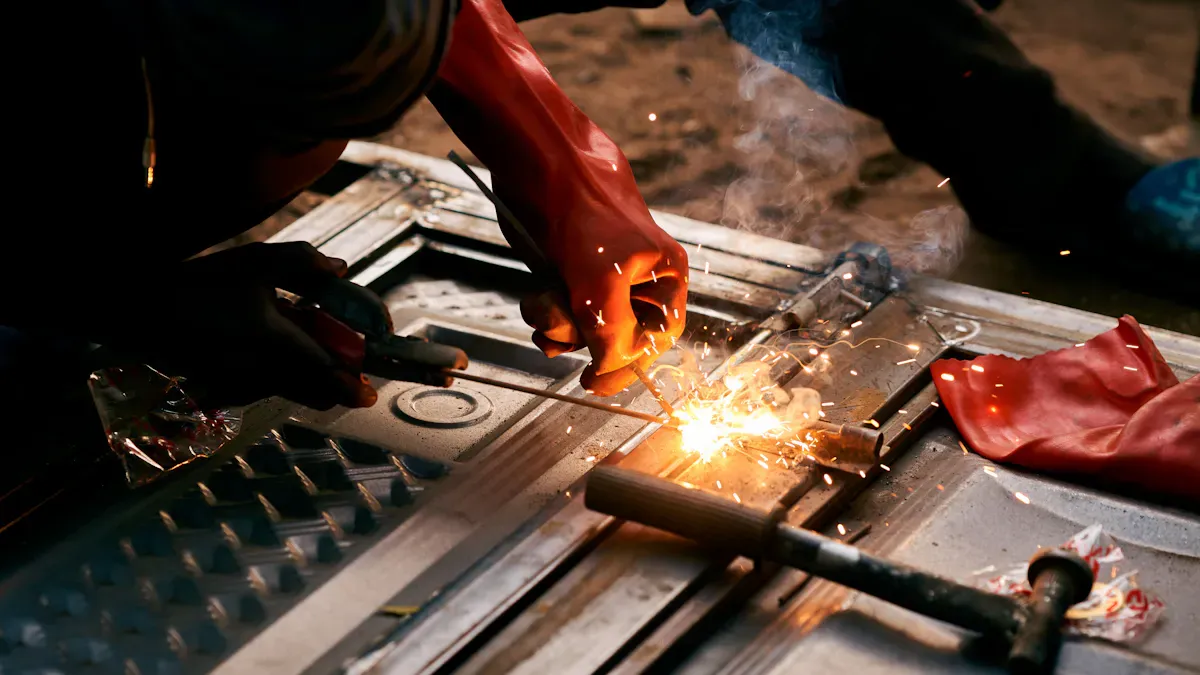
Torch Head Care
Cleaning with Lint-Free Cloth
Use a lint-free cloth to avoid introducing fibers or contaminants into the torch assembly. Follow these steps:
Turn off all gas and oxygen valves on the torch by rotating them clockwise.
Open the torch handle oxygen valve slowly to release excess oxygen.
Use a stiff wire brush to clean the top of the torch tip, removing metal slag.
Rotate the tip counterclockwise to remove it (use slip joint pliers if tight).
Insert the correct cleaning rod into each preheat hole; push through, twist, and repeat.
Brush the threads at the juncture, rethread the tip until tight, then a half-turn more.
Inspecting for Damage or Metal Dust
Look for cracks, discoloration, or metal dust buildup around the torch body and tip. Pay close attention to water cooling passages, as blockages can disrupt coolant flow and cause overheating. Replace affected parts immediately upon finding damage.
Tip: Use a flashlight to check for hidden debris or fine metal particles inside the torch head.
Consumables Maintenance
| Consumable Type | Recommended Lifespan | Notes |
|---|---|---|
| Electrodes | 1–2 hours of arc-on time7 | Normal life for air and oxygen plasma systems |
| Nozzles | Several hundred pierces | Can reach 1,000+ starts before replacement |
Replace consumables when you observe uneven cuts, increased dross, or arc instability.
Always use genuine parts to ensure proper fit and reliable cooling.
Coolant System Checks
Monitoring Coolant Flow and Quality
Check the coolant reservoir daily for proper levels and clarity. Use de-ionized water mixed with anti-corrosion and anti-algal additives to prevent bacterial growth and mineral buildup. Monitor coolant color — cloudiness or discoloration signals contamination.5
Inspect coolant for debris or floating particles, which can clog internal passages.
Verify coolant has the correct resistivity to maintain stable temperature control.
Check the coolant flow rate at startup and during operation.
Examine hoses and connections for leaks or cracks that could affect flow.
Flushing and Refilling Coolant
Replace the coolant at least once a year or sooner if contamination is detected.
Drain the old coolant completely from the reservoir and lines.
Flush the system with fresh de-ionized water to remove debris or buildup.
Refill the reservoir with the correct mixture of de-ionized water and additives.
Bleed air from the system to restore consistent coolant flow and prevent pump cavitation.
Pump and Flow Switches
Visually inspect the pump and surrounding areas for any signs of coolant leaks. Check the coolant stream in the reservoir for air bubbles or reduced flow, which may signal a blockage or failing pump.
A flow switch monitors the volume of coolant moving through the lines. If the flow drops below safe levels, the switch automatically shuts off the torch to prevent overheating.8
Maintain coolant pressure between 45–55 psi, and flush and replenish coolant every six months. Measure coolant resistivity with a conductivity meter, ensuring it does not exceed 10 micro-ohms.
Hoses, Lines, and Connections
Inspect hoses for kinks, cracks, or leaks. Look for damp spots or drops in coolant level indicating a slow leak. Inspect the torch body and lead every three months. Ensure all hose clamps, fittings, and connectors are tight and free from carbon deposits.
Tip: After securing all connections, run the system briefly and check for leaks or pressure drops before starting a cutting job.
Filters and Screens
Clean or replace filters and screens according to the maintenance schedule or whenever you notice reduced coolant flow. Rinse reusable filters with clean water or replace disposable ones as needed. Always use manufacturer-recommended filters to maintain system compatibility and warranty coverage.
Troubleshooting Guide for Plasma Torch Issues
Overheating Problems
Common causes of overheating include: high welding current exceeding the torch's cooling capacity; continuous cutting without adequate breaks; and blocked coolant lines, worn pumps, or low coolant levels.9
Adjust the welding current to match the material and thickness.
Limit continuous operation — allow the torch to cool between long cuts.
Inspect the cooling system regularly for blockages, leaks, or pump failures.
Use the correct coolant type and maintain the recommended level.
Tip: If you notice excessive heat during operation, pause and inspect the cooling system before resuming.
Coolant Leaks
To identify leaks: inspect all hoses, fittings, and connections for moisture or drips; check the coolant reservoir for unexplained level drops; look for corrosion or discoloration around joints.
Repair steps: tighten loose fittings; replace damaged hoses or connectors immediately; run the system to confirm the repair. If leaks persist, consult the manufacturer's service guide or a qualified technician.
Reduced Cutting Performance
Key troubleshooting steps:
Examine cut quality for rough edges, excessive dross, or incomplete cuts.
Inspect electrodes and nozzles for wear — pitting, erosion, or deformation.
Check coolant flow and temperature; insufficient heat removal reduces efficiency.
Clean or replace filters and screens to ensure proper coolant circulation.
Verify all hoses and lines are free from blockages or kinks.
Pump or Flow Switch Failures
Common Signs of Failure: unexpected torch shutdowns; warning lights or error codes; coolant not circulating or flow rate below specifications; unusual pump noises (grinding or rattling).
Step-by-Step Troubleshooting:
Visual Inspection: Examine the pump and flow switch for visible damage, loose wires, burnt connectors, or signs of overheating.
Electrical Checks: Turn off power and use a multimeter to test voltage at pump terminals. Inspect wiring for frayed insulation or corrosion. Test the flow switch circuit for continuity.
Mechanical Checks: Remove the pump cover and check for debris in the impeller. Rotate the pump shaft by hand — it should move smoothly.
Coolant Flow Test: Run the torch briefly and observe the coolant stream. Measure the flow rate and compare to manufacturer specifications.
Air or Contaminants in Cooling System
Symptoms: gurgling sounds in coolant lines; fluctuating coolant levels; reduced or uneven flow; visible particles or discoloration in coolant.
How to Bleed Air:
Turn off the torch and allow the system to cool before opening any fittings.
Open bleed valves slowly to release trapped air.
Run the pump briefly with bleed valves open until coolant flows steadily without bubbles.
Close valves securely and top off the reservoir with fresh coolant.
Inspect all connections for leaks after bleeding.
Step-by-Step Troubleshooting Process
Visual Inspection Checklist
Turn off the power and allow the torch to cool. Examine the torch head for cracks, discoloration, or signs of overheating. Inspect all hoses and lines for kinks, bulges, or leaks. Check the coolant reservoir for proper fluid levels and clarity. Review the pump and flow switch for visible damage or loose wiring. A flashlight helps spot hidden debris or fine metal dust inside the torch body.
Testing Coolant Flow
Flush the entire cooler and lines to remove old coolant and debris.
Empty the coolant tank and refill with fresh water.
Attach a hose to the output fitting and turn on the system — water should flow at least 10 feet from the hose.
If angled upward, water should reach 15–20 feet.
Check the pump filter or screen for blockages; clean or replace as needed.
Run 4–5 gallons of fresh water through the cooler to flush the lines and radiator.
After reassembly, add distilled water and then a distilled water/coolant mixture to the reservoir.
Deciding to Repair or Replace
Minor issues such as clogged filters or loose connections can often be fixed quickly. Replace hoses or fittings showing cracks, bulging, or persistent leaks. If the pump fails to deliver adequate flow even after maintenance, replacement is usually the best option. When in doubt, consult the manufacturer's guidelines or a qualified technician.
When to Call a Professional
| Situation | Recommended Action |
|---|---|
| Persistent overheating | Contact a technician |
| Electrical faults | Seek professional repair |
| Major coolant leaks | Call for service |
| Pump or flow switch failure | Request expert diagnostics |
| Severe contamination | Schedule system cleaning |
| Unusual noises or vibrations | Arrange mechanical inspection |
Qualified professionals have the tools and experience to diagnose and repair complex issues, ensuring compliance with manufacturer guidelines and maintaining warranty coverage.
Best Practices for Cooling System Reliability
Maintenance Schedule
A structured maintenance schedule forms the backbone of reliable plasma torch operation. Daily/shift checks should include:
Inspect the torch and workspace for dust and damage.
Run system checks on the cooling system to confirm proper coolant flow.
Examine consumables for wear and replace as needed.
Inspect gas lines for leaks and verify grounding connections.
Monthly or quarterly, operators should:
Inspect internal electrical components.
Clean power supply vents and filters.
Check torch tip alignment and mounting.
Examine gas regulators and verify flow settings.
Confirm coolant levels and validate wiring connections.
Record Keeping
Accurate record keeping supports long-term plasma system reliability. Log every maintenance activity, coolant change, and component replacement.
| Maintenance Task | Date Completed | Notes / Findings |
|---|---|---|
| Coolant Change | ||
| Torch Head Inspection | ||
| Consumable Replacement | ||
| Pump / Flow Switch Check | ||
| Filter Cleaning |
Tip: Use digital logs or maintenance management software for easy access and analysis.
Operator Training
Well-trained operators play a crucial role in maintaining plasma torch efficiency and cooling system reliability. Training programs should cover routine inspection of drive components, cable carriers, and torch height control calibration. Regular operator training reduces unplanned downtime and prevents torch faults or arc instability.
Clean components and timely consumable replacement ensure consistent cut quality.
Maintenance reduces operating costs by avoiding excessive wear on critical parts.
Improved first-pass accuracy minimizes errors and rework.
Using Quality Parts and Coolant
Selecting quality parts and coolant is essential for maintaining the reliability of your water cooled plasma torch. Always choose manufacturer-approved consumables and replacement parts designed to fit precisely and withstand high temperatures.
| Coolant Type | Key Features | Recommended Use |
|---|---|---|
| De-ionized Water | Low mineral content, non-conductive | General plasma torch cooling |
| Glycol-Based Coolant | Anti-corrosion, anti-freeze | Industrial and cold environments |
Safety Tips
Always wear appropriate PPE including safety glasses, gloves, and flame-resistant clothing. Ensure the work area is well-ventilated. Essential safety practices include:
Disconnect power before any maintenance or inspection.
Allow the torch to cool before handling or opening components.
Inspect hoses and connections for leaks before each use.
Keep coolant and electrical components away from open flames or sparks.
Store coolant in labeled, sealed containers to prevent accidental spills.
Quick Maintenance Checklist
Daily Checks
Inspect the torch head for visible damage or debris.
Check coolant levels in the reservoir; top off with approved coolant if needed.
Examine hoses and lines for leaks, kinks, or signs of wear.
Confirm all electrical connections are secure.
Wipe down the plasma table surface to remove dust and metal shavings.
Ensure the work area is clean and free of obstructions.
Weekly Tasks
| Task | Frequency | Notes |
|---|---|---|
| Clean coolant filters | Weekly | Replace if clogged |
| Inspect consumables | Weekly | Look for pitting or erosion |
| Test coolant flow | Weekly | Use manufacturer guidelines |
Monthly and Annual Maintenance
Flush and refill the coolant system every six months or as recommended.
Inspect the pump and flow switches for proper operation.
Check all hoses and connections for signs of aging or damage.
Clean the heat exchanger and radiator fins to maintain cooling efficiency.
Review and update maintenance records.
Schedule a professional inspection annually to address complex issues.
Choosing a Reliable Plasma Torch Manufacturer
What to Look For
| Factor | Description |
|---|---|
| Technical Specifications | Match the torch's amperage rating to material thickness and cutting speed. Confirm compatibility with your plasma power supply and cooling system. |
| Industry Compliance | Verify adherence to safety and electromagnetic compatibility standards relevant to your industry and region. |
| Performance Metrics | Assess maximum cutting thickness, speed, duty cycle, consumable life expectancy, and cut quality. |
| Cost-Efficiency | Consider total cost of ownership including consumable costs, energy efficiency, and bulk purchase discounts. |
| Quality Assurance | Look for robust quality control processes, material traceability, and clear warranty terms. |
| After-Sales Support | Evaluate responsiveness, spare parts availability, and quality of documentation. |
Why Choose Golden Globe
Golden Globe stands out as a leader in plasma torch technology. The With High Frequency Liquid Cooled torch offers advanced features that support both precision and durability. Its integrated water cooling system prevents overheating, allowing for continuous operation even during extended cutting sessions — essential for industries requiring intricate, burr-free cuts such as aerospace, medical device manufacturing, and electronics.
Golden Globe engineers their torches with durable materials that withstand high temperatures and heavy-duty use, supporting easy integration with CNC controllers and reliable performance across steel, aluminum, and more.
Ready to Upgrade or Source a Water Cooled Plasma Torch?
Our engineering team is ready to help you select the right torch configuration for your cutting requirements — from consumables and cooling systems to full torch assemblies. Get a tailored recommendation within 24 hours.
Send an Inquiry NowNo commitment required · Fast response · OEM & bulk orders welcome
FAQ
How often should I change the coolant in my water cooled plasma torch?
Manufacturers recommend changing coolant every six to twelve months. Replace it sooner if you notice contamination or discoloration. Clean coolant helps maintain stable operation and protects your equipment from internal damage.
What signs indicate worn electrodes or nozzles?
Look for uneven cuts, increased dross, or arc instability. These symptoms suggest consumables need replacement. Regular inspection prevents unexpected downtime and ensures your torch continues to deliver precise results.
Can I use tap water as coolant?
No. Tap water contains minerals that can cause corrosion and blockages. Always use de-ionized water with approved additives to protect your cooling system and extend torch life.
What should I do if my torch overheats during operation?
Pause cutting and inspect the cooling system. Check coolant levels, flow rate, and look for leaks or blockages. Overheating often results from poor coolant flow or worn components — address these before resuming work.
How do I prevent air from entering the cooling system?
Bleed the system after refilling coolant. Open bleed valves and run the pump until all air escapes. Air pockets can disrupt coolant flow and reduce cooling efficiency.
Why is regular maintenance important for water cooled plasma torches?
Routine maintenance reduces the risk of breakdowns and costly repairs. It keeps the torch running efficiently, minimizes downtime, and ensures consistent cut quality.
Is operator training necessary for plasma torch maintenance?
Yes. Proper training helps operators identify problems early and perform safe, effective maintenance. Well-trained staff protect both the equipment and workplace safety.
References & Citations
1. Common Mistakes in Laser and Plasma Metal Cutting — dxf4you.com
2. Plasma Cutter Consumables Life — plasmacuttingfactory.com
3. Torch Cooling Systems for Plasma Arc Cutting — yumpu.com (Centricut)
4. How to Recognize Damaged Consumables — lincolnelectric.com
5. Coolant Selection for Liquid-Cooled Welding Systems — arc-zone.com
6. Recommended Products: Water Chillers — dfmachinespecialties.com
7. Extending Parts and Consumables Life — hypertherm.com
8. Water-Cooled Welding MIG Maintenance Tips — blog.binzel-abicor.com
9. Plasma Torch Use: Solutions to Common Problems — ourcladding.com